



.jpg)


.jpg)
.jpg)

Circular Platform
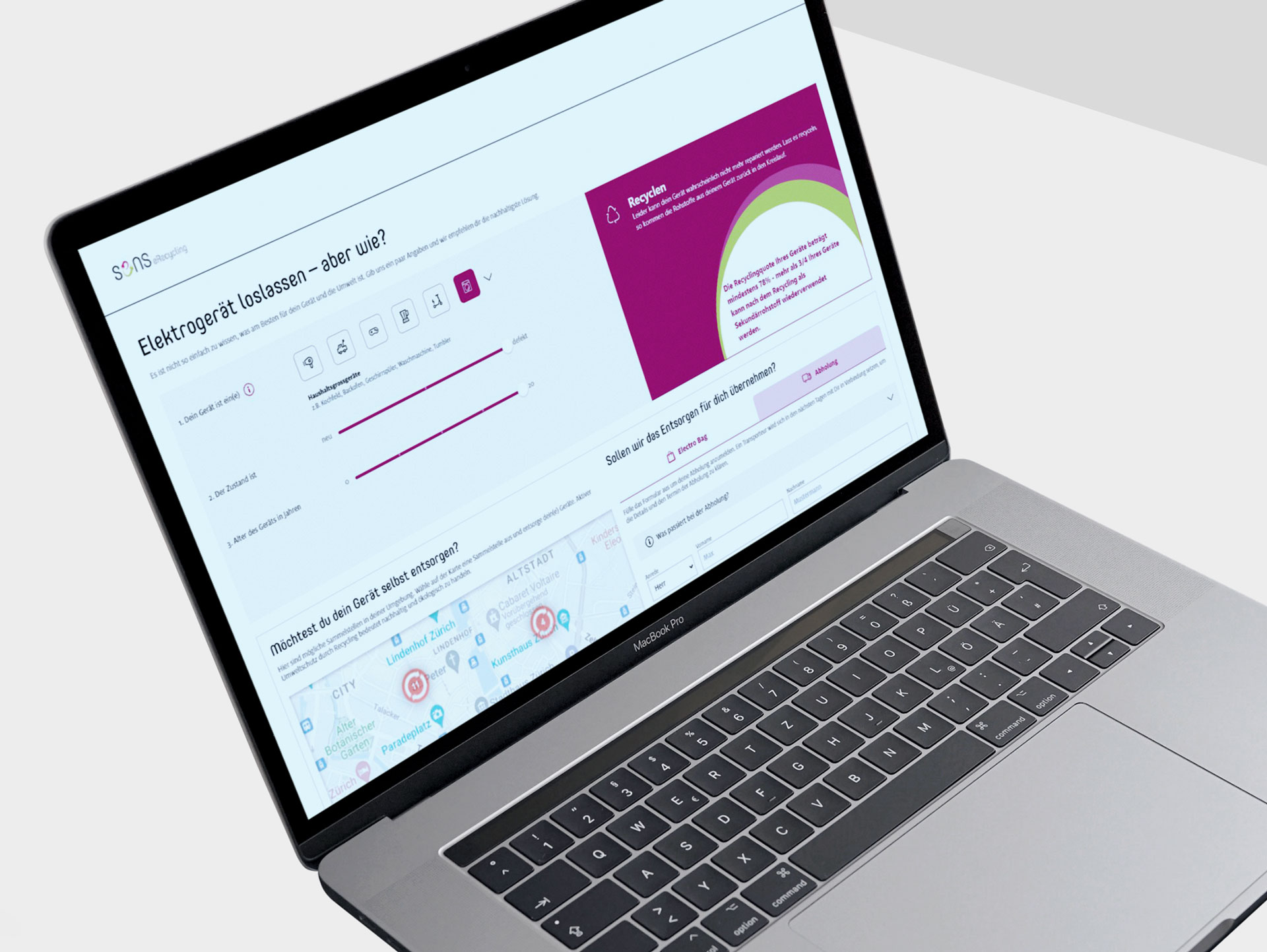
Get the most out of your electrical equipment
The Circular Platform provides consumers with independent information on the sustainable use of electrical equipment and shows in simple steps where disused electrical equipment can be resold, repaired or disposed of in an environmentally friendly manner.
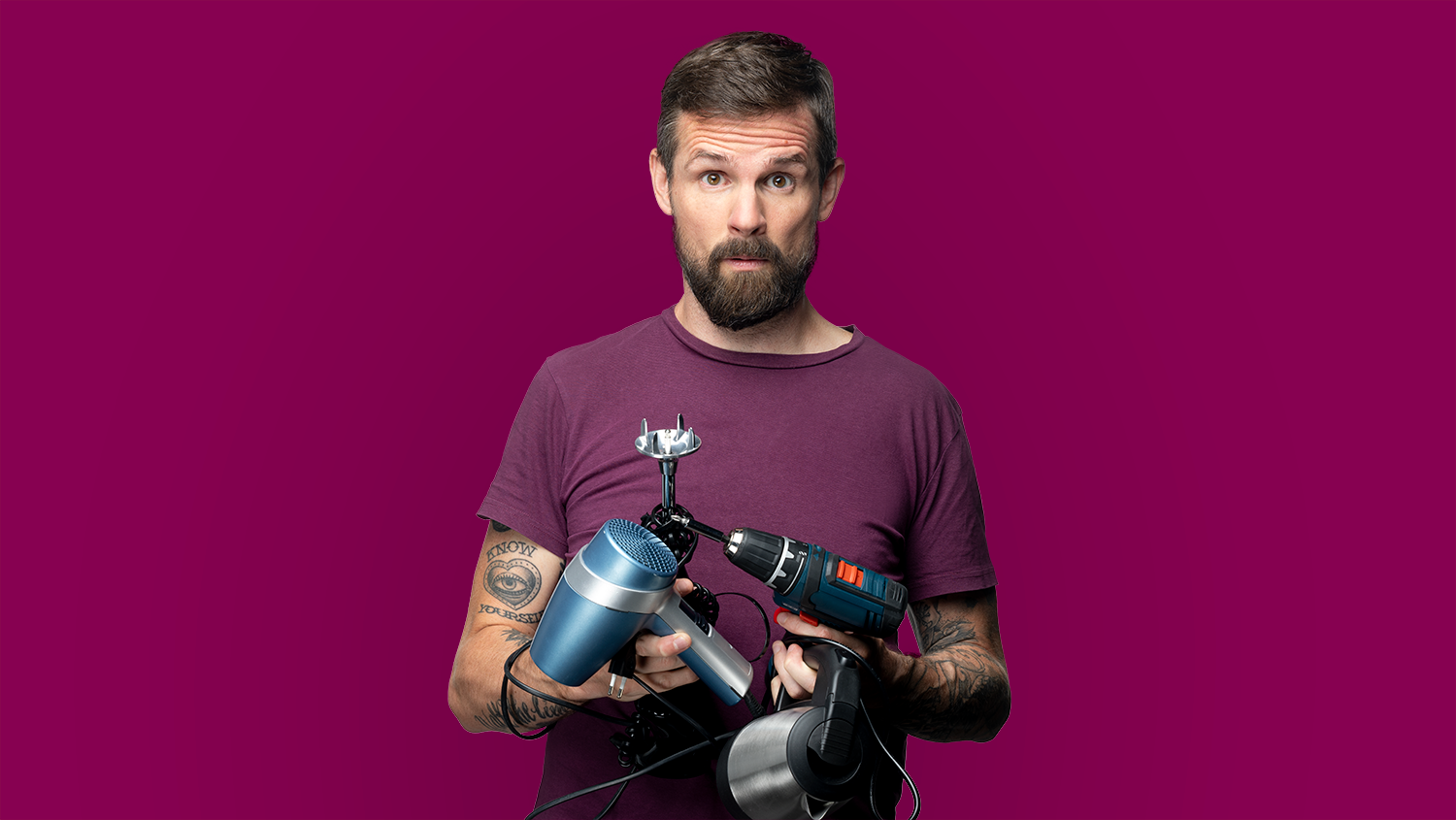
Your old espresso machine is faulty, and you haven’t played with your old Game Boy for years – yet these devices are still lying around at home. That’s a shame, and they’re of no use to anyone. There are better things to do with disused electrical equipment than hoard it. On the circular platform, we show you how to get the most out of your devices, bring a smile to your face and the faces of those around you, and protect the environment at the same time.
13 unused appliances per household
Swiss households often have items of broken or unused electrical equipment lying around. According to current figures from the WEEE Forum, the average European household has around 13 appliances that are no longer in use, of which 4 are broken. The are a number of reasons why Swiss people hoard this equipment instead of reselling, repairing or disposing of it. Some may hope that a grandchild will one day take the talking doll from the attic or that a son will wear the father’s cool sports watch. Others simply don’t have the time to take a broken toothbrush or faulty toaster to the nearest collection point. They often forget that every single item of electrical equipment – whatever the size – contains valuable raw materials such as iron, copper, aluminium or gold. Hanging on to equipment means that these valuable materials are withheld from the recycling process or, even worse, become lost when improperly disposed of in household waste, with the ensuing detrimental effect on the environment.
New Circular Platform as a decision-making tool
It’s not always easy to decide if it’s worth repairing a broken item or if reselling it is likely to pay off. To help with this decision, we have launched the Circular Platform for electronic and electrical equipment. With just a few pieces of information about the equipment, including its brand, condition and age, the platform can inform users of the most sustainable option. If the equipment can still be used, the platform suggests websites where it can be resold and estimates how much it can be sold for on average. If it is faulty, the Circular Platform tells users where it can be repaired or recycled. Please note: For repairs, only official sites of the respective manufacturer are suggested. This is the only way to ensure correct handling that will not void the warranty.
More than just a decision-making tool: the Circular Platform also serves as an information platform
The Circular Platform also provides consumers with helpful tips on handling electrical equipment at home, as well as up-to-date information on the circular economy. The Circular Platform provides consumers with a handy tool that, in a series of simple steps, explains how to find the best solution for their electrical equipment – not only for their own benefit, but for the good of the environment. The platform is also designed to raise public awareness of the circular economy and show consumers how to use their electrical equipment in a resource-efficient manner.
From throw-away society to sustainable consumption
In contrast to the linear economy, where raw materials are used only once and then disposed of, the circular economy aims for sustainable production, distribution and consumption. Raw materials and products should be used for as long as possible, and waste minimised. Before making a purchase, we – as consumers – should consider whether it would be better to rent or borrow instead of buying our own. Electrical equipment that is in good condition can be resold or given to friends or aid organisations when we no longer need it. A repair should always be considered before disposing of equipment. When an item does ultimately reach the end of its life, it is important that we dispose of it properly. The materials it contains can then be recycled and returned to the cycle as secondary raw materials that can, in turn, be reused in new appliances. By adopting this behaviour, we not only reduce waste and save energy and costs, but also cut down on CO2 emissions. It has long been proven that recycling generates significantly less CO2 than the extraction and use of primary raw materials.

Nando Erne
Head of Marketing and Communications
+41 43 255 20 05
nando.erne@sens.ch
SENS eRecycling
Obstgartenstrasse 28
8006 Zürich