
Refrigerator recycling: keeping hazardous substances locked down

Together with the Swiss Professional Association for Electrical Appliances (FEA), SENS eRecycling developed a solution for the environmentally friendly and cost-efficient disposal of refrigerators over 35 years ago.

At the end of a multi-stage recycling process, valuable iron and non-ferrous metals, as well as mixed plastics, are returned to the cycle. Meanwhile, refrigerants, propellants and refrigerant oil are cleanly separated, and all environmentally harmful pollutants are safely captured and disposed of. On average, 83 per cent of refrigerator components can be reused.

Sens eRecycling

Special caution required

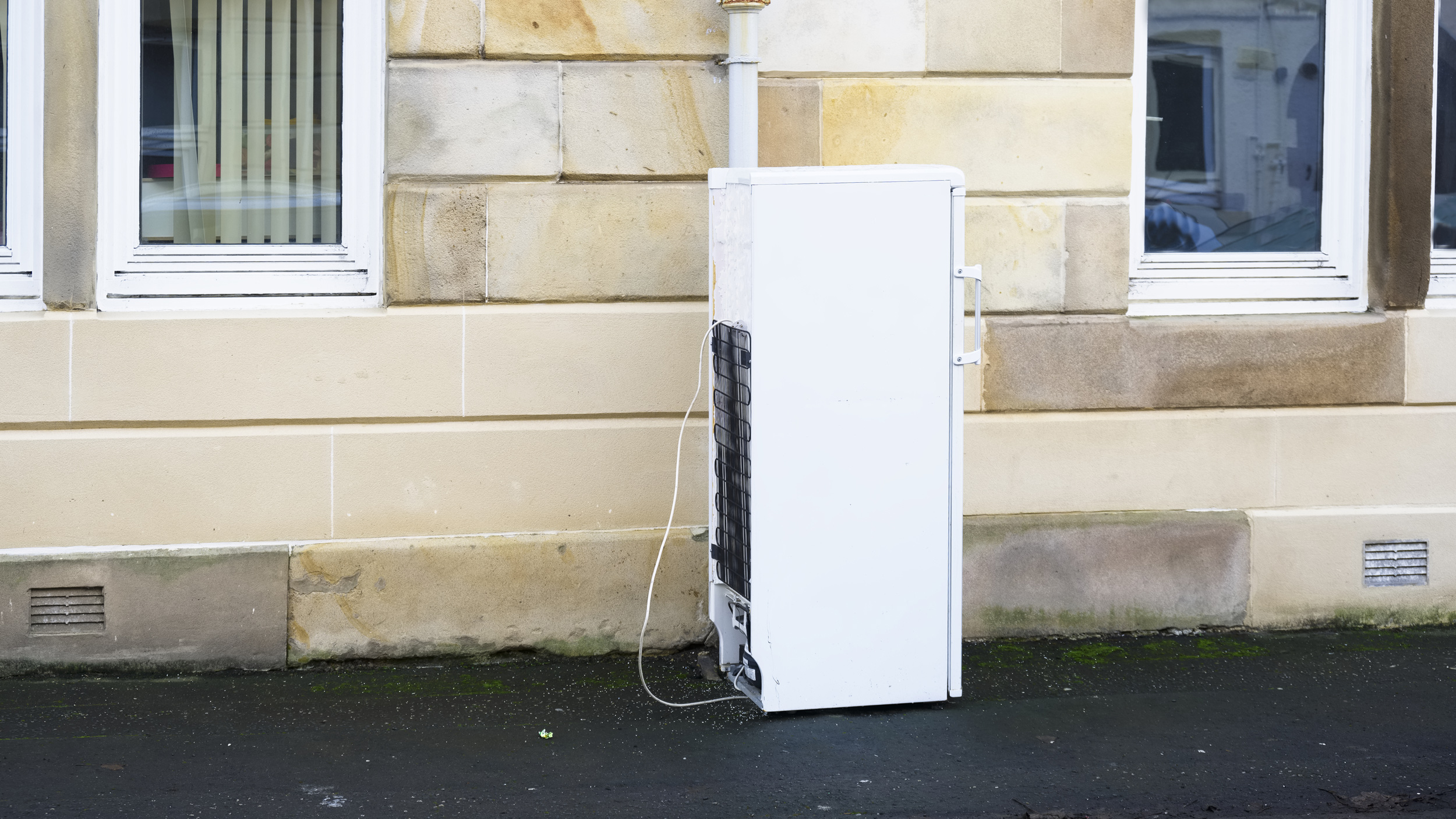
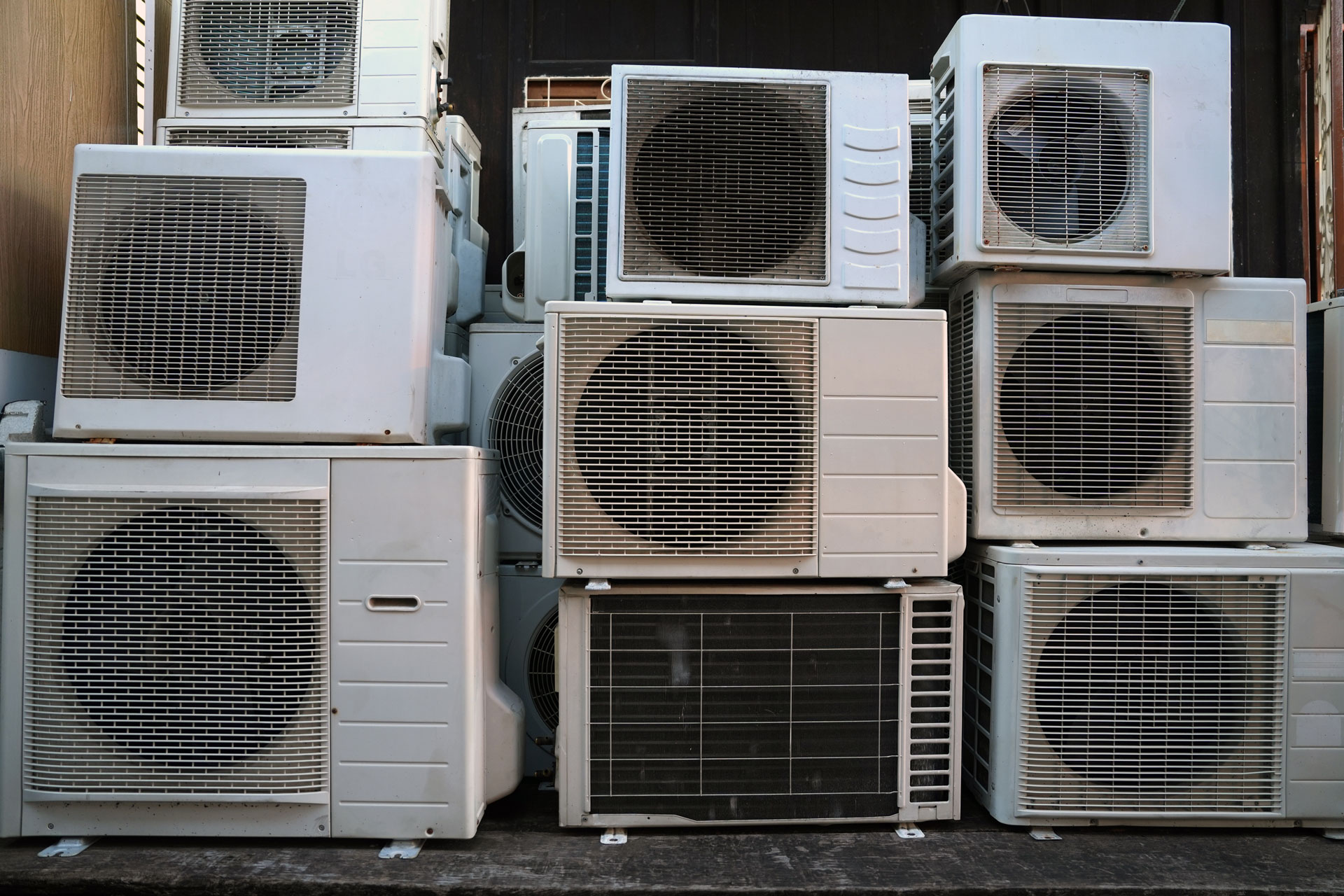
Not only do refrigerators, freezers and air-conditioning systems contain recyclable materials that can be reused, they also contain climate-damaging refrigerants that must be safely extracted. Ensuring their environmentally friendly disposal is therefore of particular importance. Just one refrigerator that is improperly disposed of can have the same environmental impact as a trip by car from Zurich to Singapore (25,000 kilometres)!

In the past, refrigerators contained chlorofluorocarbons (CFCs). CFCs damage the stratospheric ozone layer, which protects the Earth from the ultraviolet radiation of the sun and significantly impacts the climate. In new appliances, alternative refrigerants such as isobutane are often used, which are less harmful to the climate but also combustible. All variants require special safety measures and environmental protection measures during recycling.

A complex recycling process for refrigerators was already developed in Switzerland at an early date. The stated goal was to efficiently recover raw materials and the refrigerants from compressors, along with the remaining oil and propellants from insulation. This procedure was later adopted by the EU as a standard, once again demonstrating Switzerland’s leading role in the recycling sector.

Sens eRecycling

How it works

What does the process for recycling a refrigerator look like? In the first step, all loose parts are removed from the appliance by hand. These could be cables, salad drawers and glass panes, or hazardous substances, such as the mercury switches found in freezers.

During the first recycling stage, the coolant present in the cooling circuit is placed under an airtight seal and extracted using a vacuum system. The refrigerant oil mixture flows into a separation unit, where the pollutants it contains are separated from the oil. The cleaned waste oil is then filled into containers and delivered to specialised companies for further processing. The recovered refrigerants are filled into a large pressure-resistant container. Afterwards, the compressor is separated from the refrigerator body, drilled through and completely emptied.

In the second recycling stage, the refrigerators are shredded and processed in a way that enables existing recyclable materials such as iron, aluminium, copper and plastics to be separated out. At the same time, the insulating foam is processed using a special crusher that destroys the pore structure to achieve maximum degassing of the harmful propellant it contains.

Sens eRecycling

Blog posts about refrigerators

All blog posts

Sens eRecycling

Refrigerator recycling

More information
Sens eRecycling

What if the freezer suddenly breaks down?

More information
Sens eRecycling

8 tips to extend the life of your cooling appliance

More information
Sens eRecycling

Cool breeze in the office: this is how it blows environmentally friendly until the end

More information