
When the light goes out: recycling lamps and lighting equipment

Lighting equipment contains valuable raw materials, such as aluminium and glass. However, some items also contain highly toxic mercury, which is harmful to people and the environment. Disused lamps and lighting equipment must therefore always be recycled.

Certified SENS recycling companies ensure that the hazardous substances contained in lighting equipment are disposed of properly and that the recyclable materials are returned to the cycle.
Sens eRecycling

What the law says

In Switzerland, the Ordinance on the Return, Taking Back and Disposal of Electrical and Electronic Equipment (ORDEE) regulates the disposal of lamps, lighting equipment and cables. It states that consumers are obligated to return lamps and lighting equipment for recycling (return obligation). Sales outlets and retailers that sell lamps or lighting equipment must, in return, accept disused lamps free of charge (take-back obligation) and dispose of them properly.

What the law says

In Switzerland, the Ordinance on the Return, Taking Back and Disposal of Electrical and Electronic Equipment (ORDEE) regulates the disposal of lamps, lighting equipment and cables. It states that consumers are obligated to return lamps and lighting equipment for recycling (return obligation). Sales outlets and retailers that sell lamps or lighting equipment must, in return, accept disused lamps free of charge (take-back obligation) and dispose of them properly.

What belongs in the lighting equipment collection?

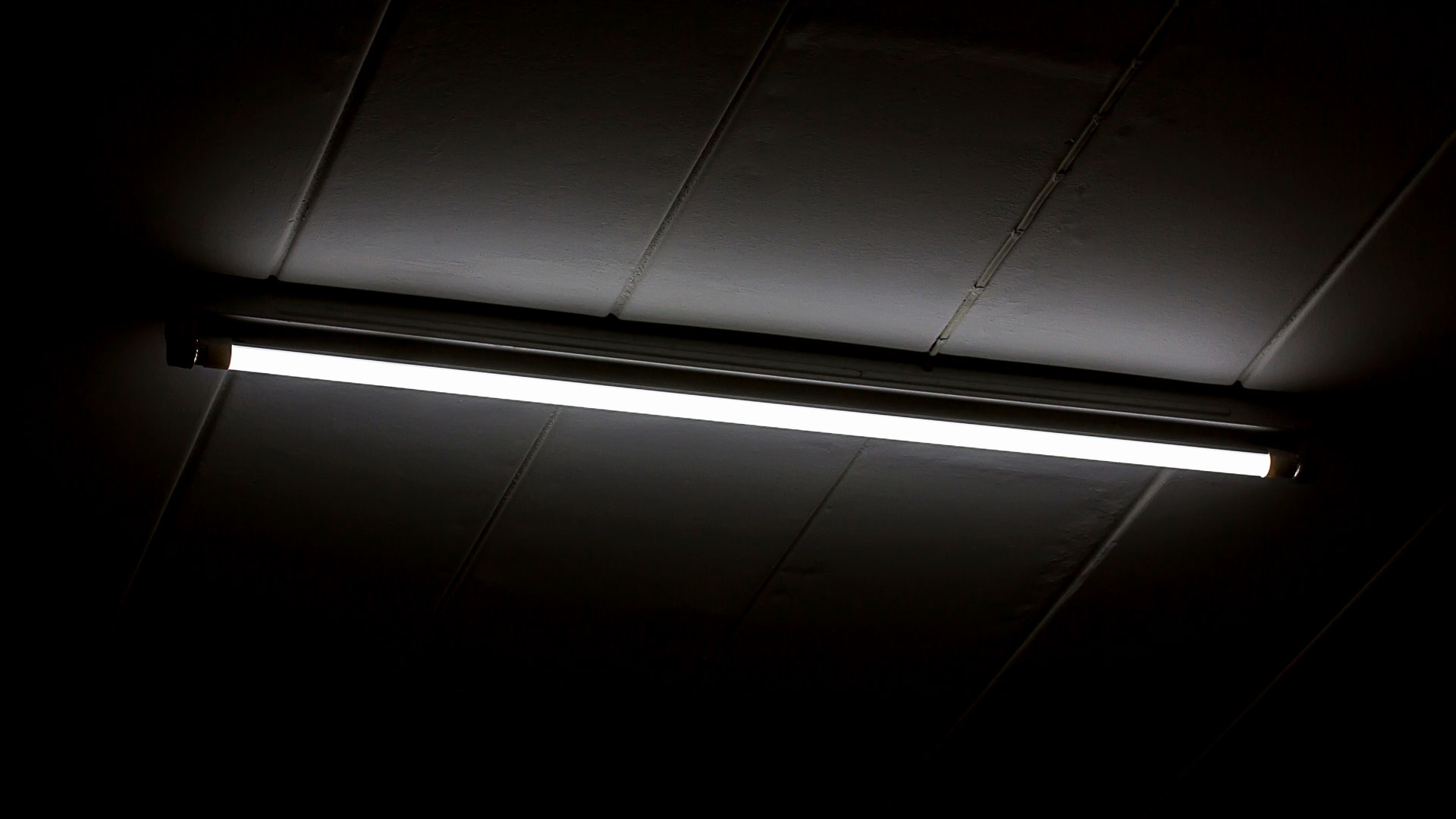
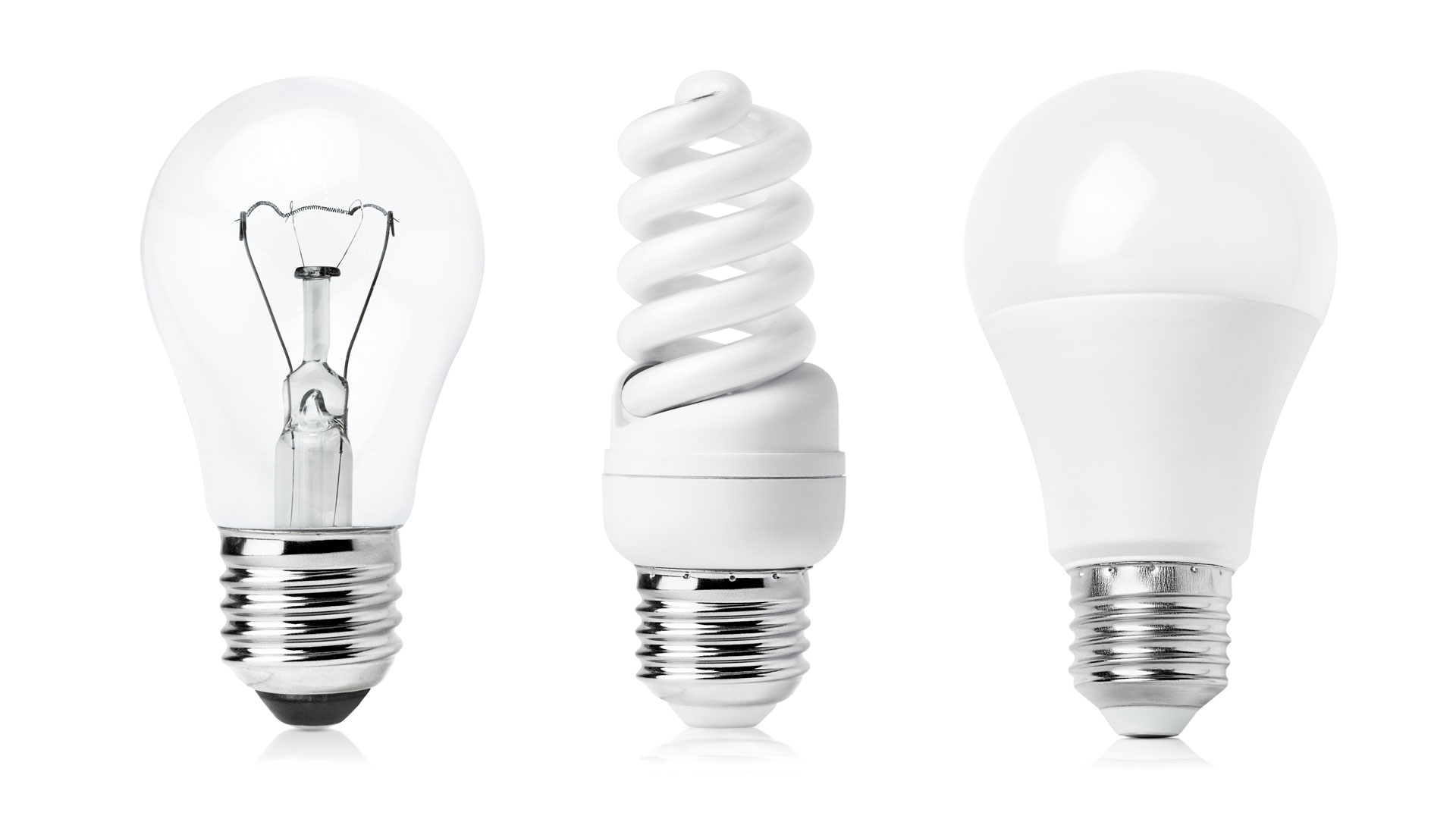
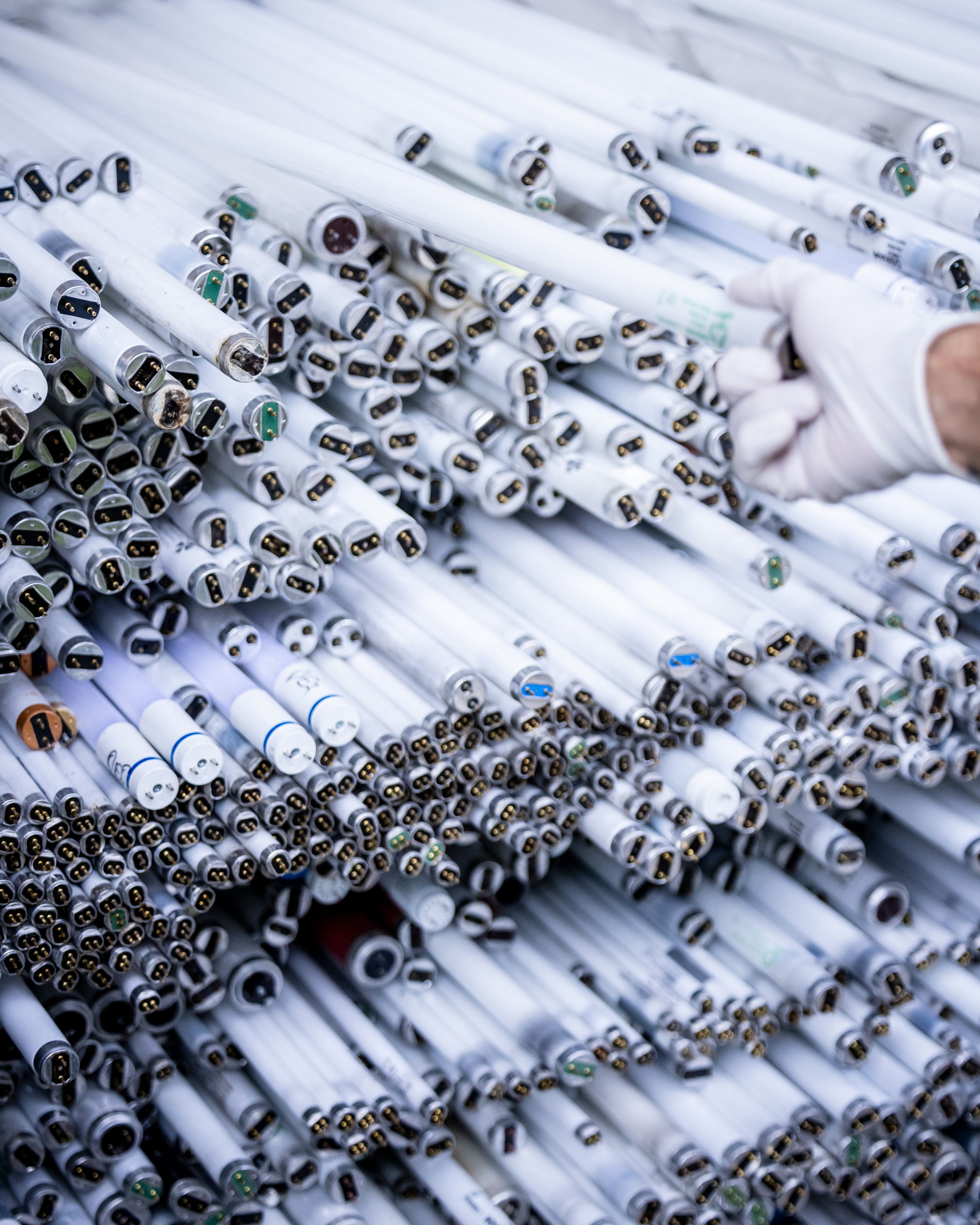
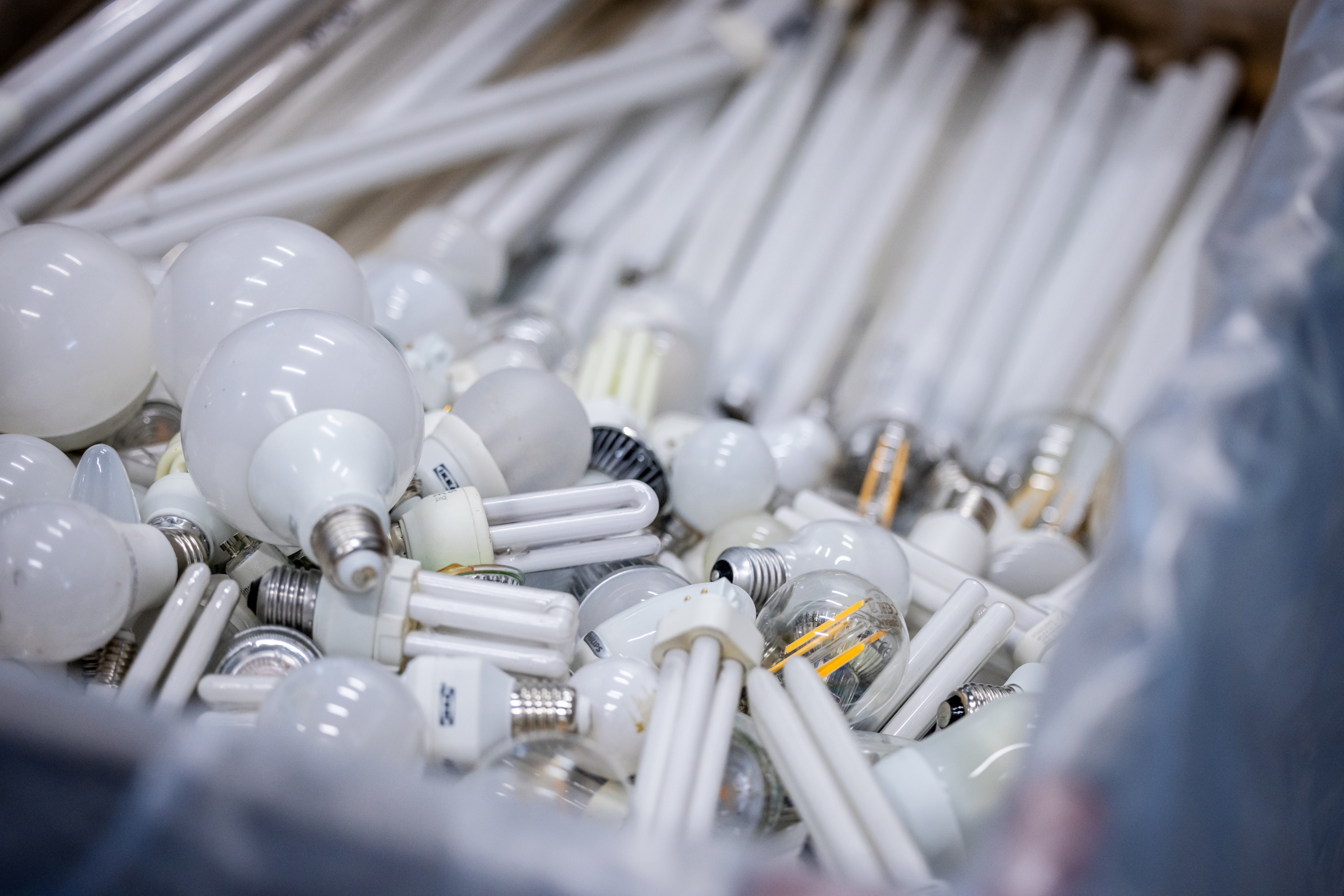
  • Fluorescent tubes (neon tubes)
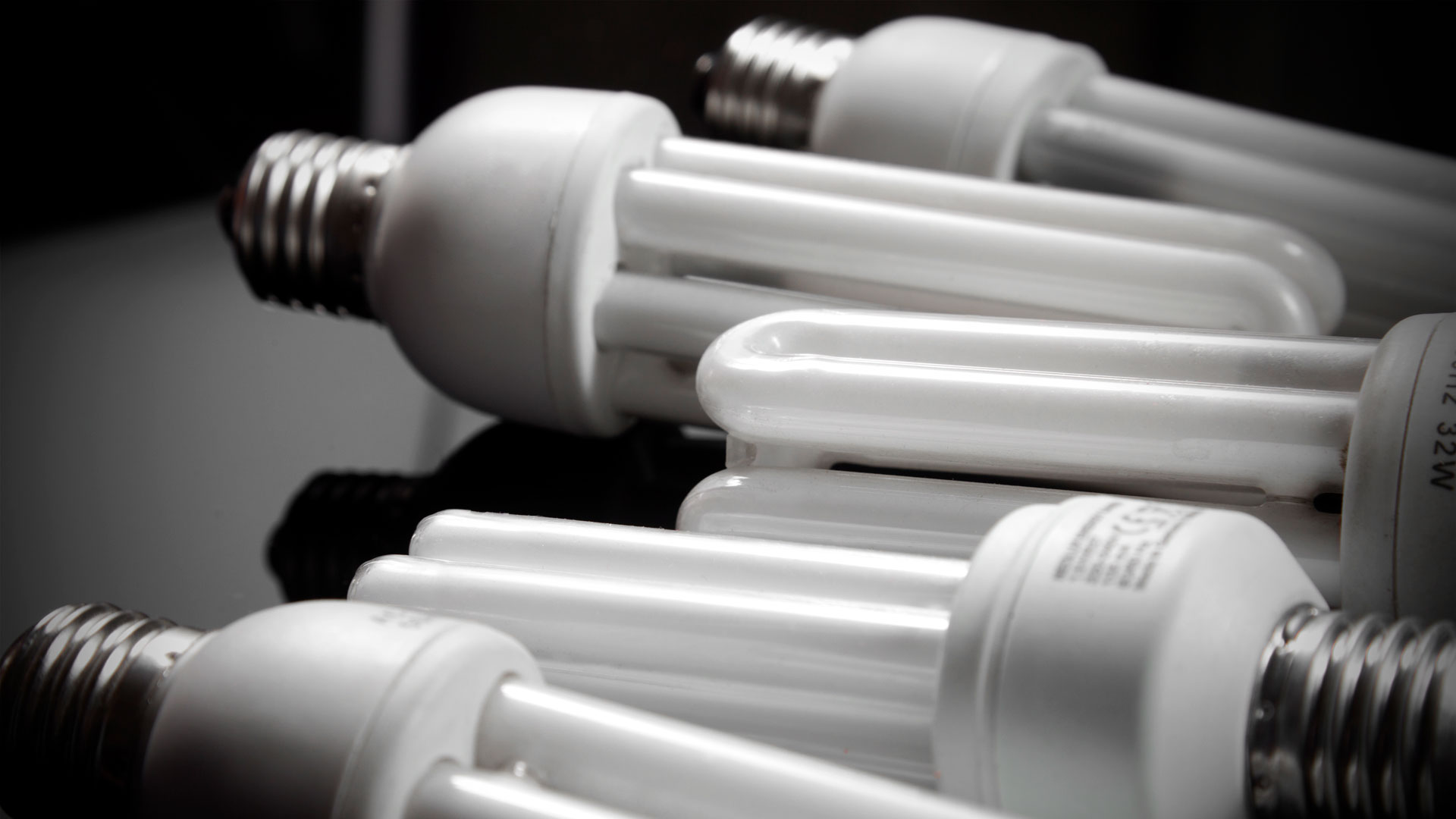
  • Energy-saving lamps
  • LEDs
  • All types of high- and low-pressure lamps
  • Lamps (e.g. floor lights)

Do NOT place the following in the lighting equipment collection

  • Packaging material for lamps and lighting equipment
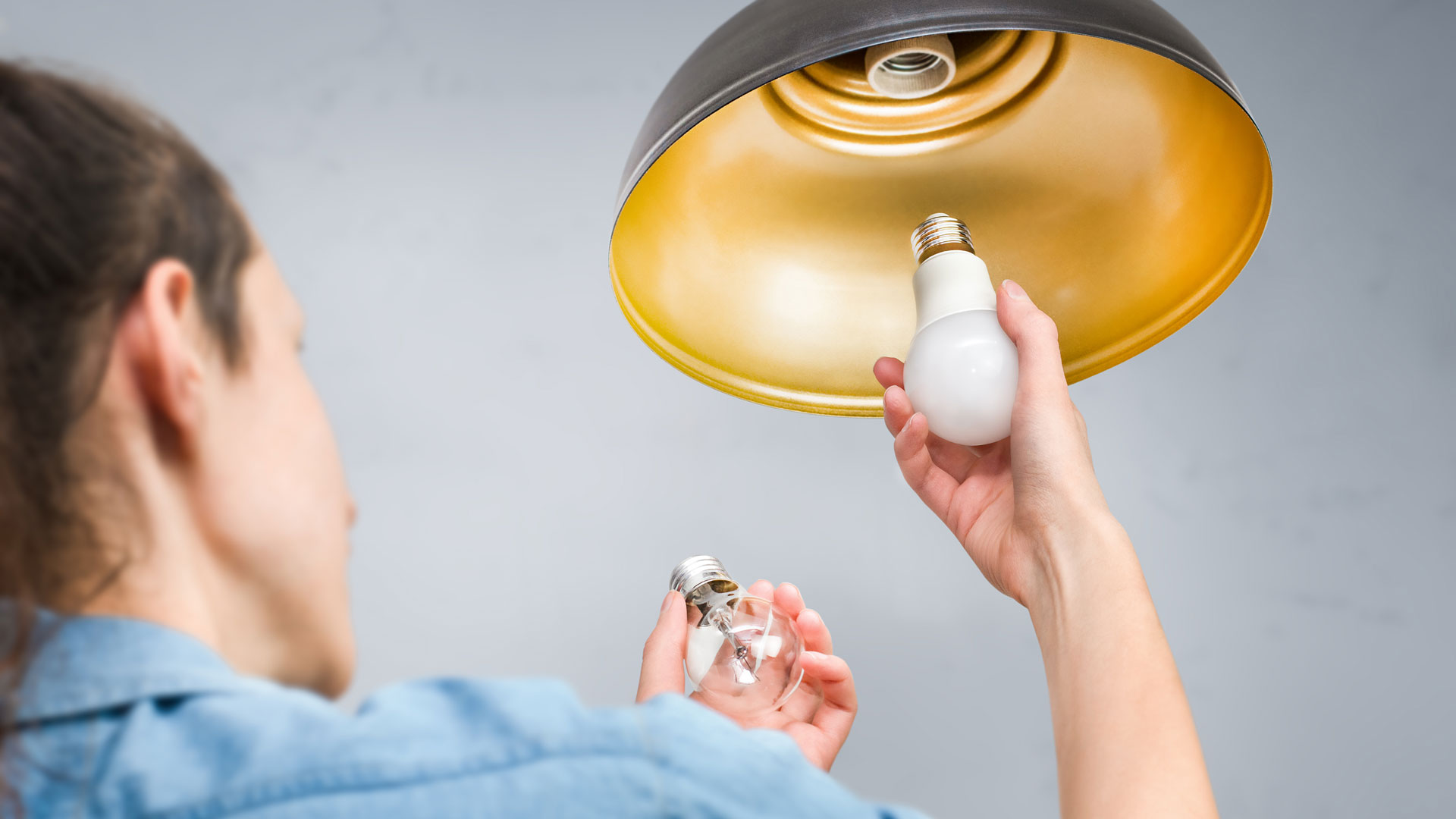
  • Incandescent and halogen lamps (they belong in general waste)
  • Fuses (ceramic fuses, etc.) are considered building waste and do not belong in the lighting equipment recycling

Traditional incandescent lamps and halogen lamps can be disposed of in general waste. They contain no hazardous substances. However, if you are unsure whether you have an incandescent lamp, a halogen lamp or an energy-saving lamp, it is worth going along to the collection point, where someone will be able to provide expert advice.

Sens eRecycling

Prevent PCBs and mercury from entering the environment

Polychlorinated biphenyls (PCBs) are pollutants that pose a risk to humans and animals, even in small quantities. They have been banned since 1986. Nevertheless, recycling companies continue to report high levels of PCBs in plastic waste. This is due in part to the capacitors in the ballast units of lamps, which may contain PCBs.

Harmful mercury is still present in many items of lighting equipment. The biggest challenge in the recycling of lighting equipment that contains mercury is ensuring adequate protection of people and the environment during processing. If a tube breaks or the toxic heavy metal enters the air due to improper handling, this poses a significant risk to both humans and the natural environment. The situation is further complicated by the fact that, unlike with other electrical equipment, substances that contain mercury cannot be removed from light sources prior to mechanical processing. In short, extreme caution is required during collection, transportation and recycling.

A low-pressure chamber for separating mercury

The state-of-the-art Thévenaz-Leduc facility in Moudon, which is part of Group BAREC, follows the principle of integrated recycling. This means that all stages involved in the processing of lighting equipment are completed at the same plant.

The low-pressure chamber

First, the delivered fluorescent tubes are shredded and screened. At the same time, the mercury-containing dust adhering to the components, as well as the mercury in the air, is vacuum extracted and then passed through three filters: a pre-filter, a HEPA filter and an activated carbon filter.

Separation of hazardous substances

The fluorescent powder, which still contains mercury, is collected in hermetically sealed containers and separated from the other recyclable materials. In this form, the fluorescent powder is transported for final storage in underground warehouses in Europe. The glass fractions that are free of hazardous substances are cleaned and processed for the production of glass wool, which is used for insulation in the construction industry.

Returning valuable materials to the cycle

Disused lighting equipment not only contains hazardous substances but also many valuable materials. Glass, aluminium and other metals can be recovered through recycling and reused as secondary raw materials – for example, in the glass or construction industry. This process transforms disused lamps back into valuable resources.

Blog posts on the topic of lights

All blog posts

Sens eRecycling

40 thousand tonnes of PCBs and billions in environmental benefits

More information
Sens eRecycling

LED is the future and the environment thanks you

More information
Sens eRecycling

Glossary on the subject of light

More information
Sens eRecycling

3 questions for David Wampfler

More information