
Electric toys: when playtime stops, the recycling starts

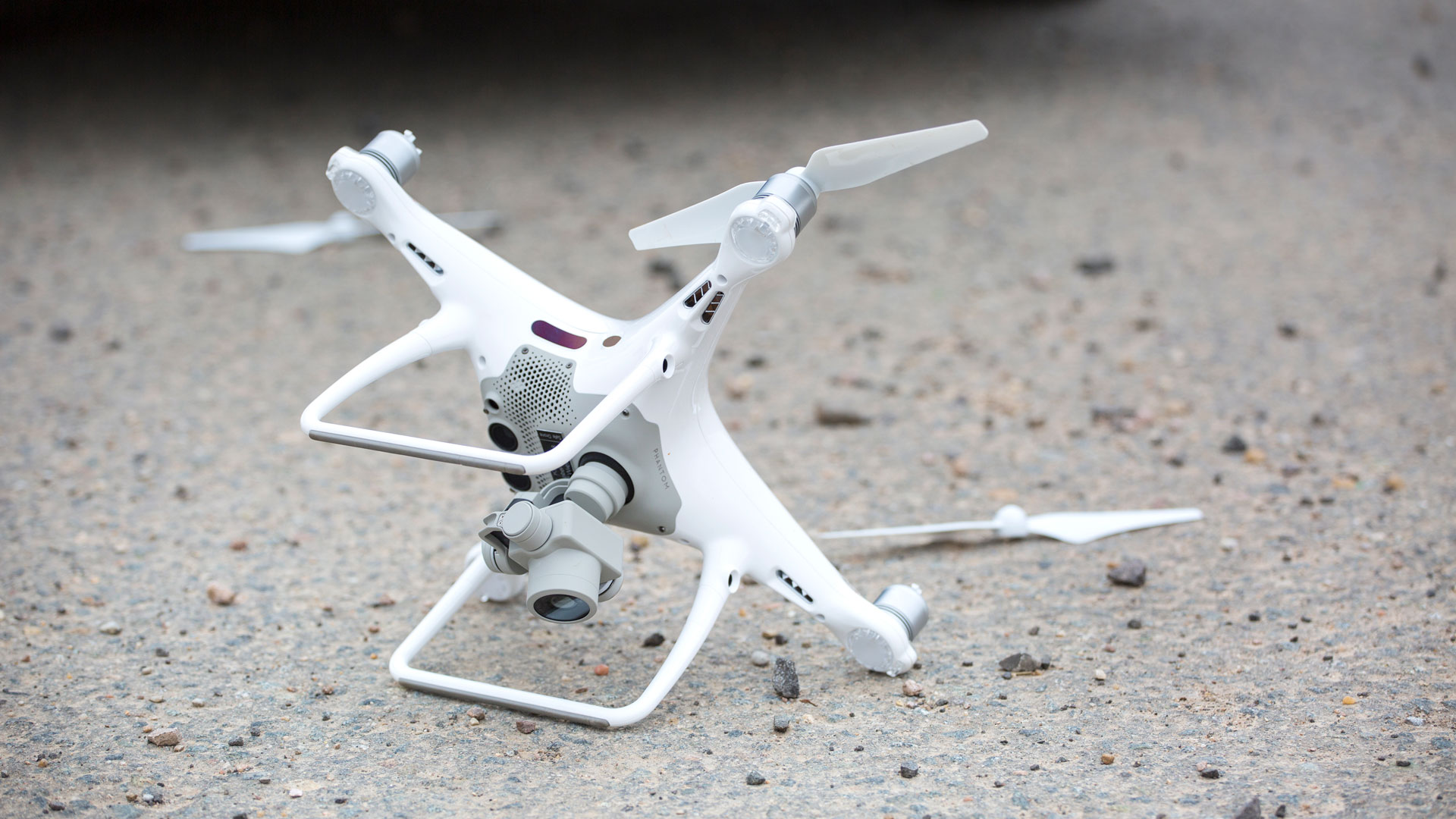
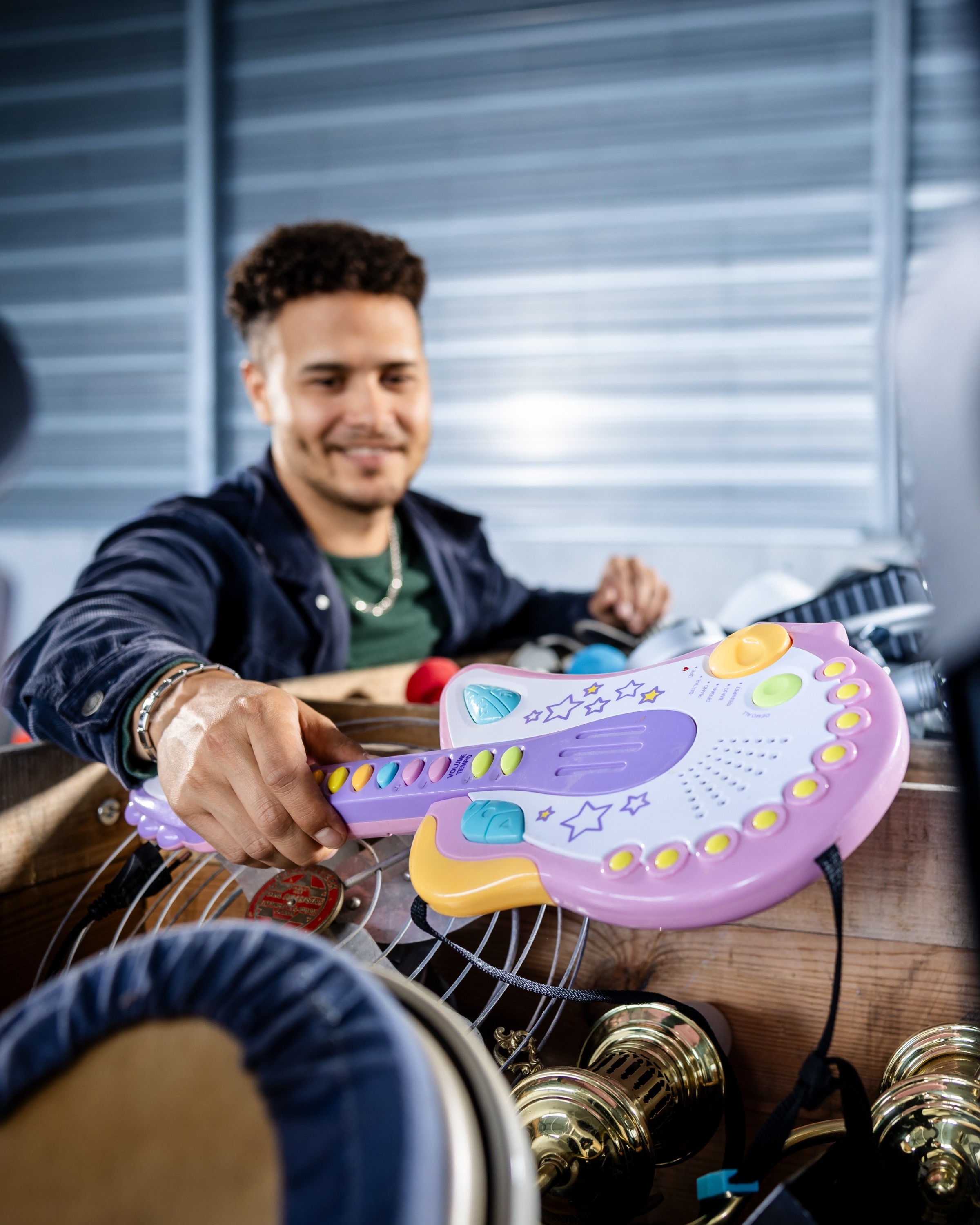
From electric train sets, remote-controlled cars and drones to tiptoi pens, talking dolls and plush toys, we often fail to realise just how many toys are powered electrically.

Together with the Swiss Toy Association (SVS), SENS eRecycling has developed a solution for the environmentally friendly and cost-efficient disposal of all types of electrical toys.
Sens eRecycling

If a toy beeps, blinks, speaks or flies, it belongs in the eRecycling

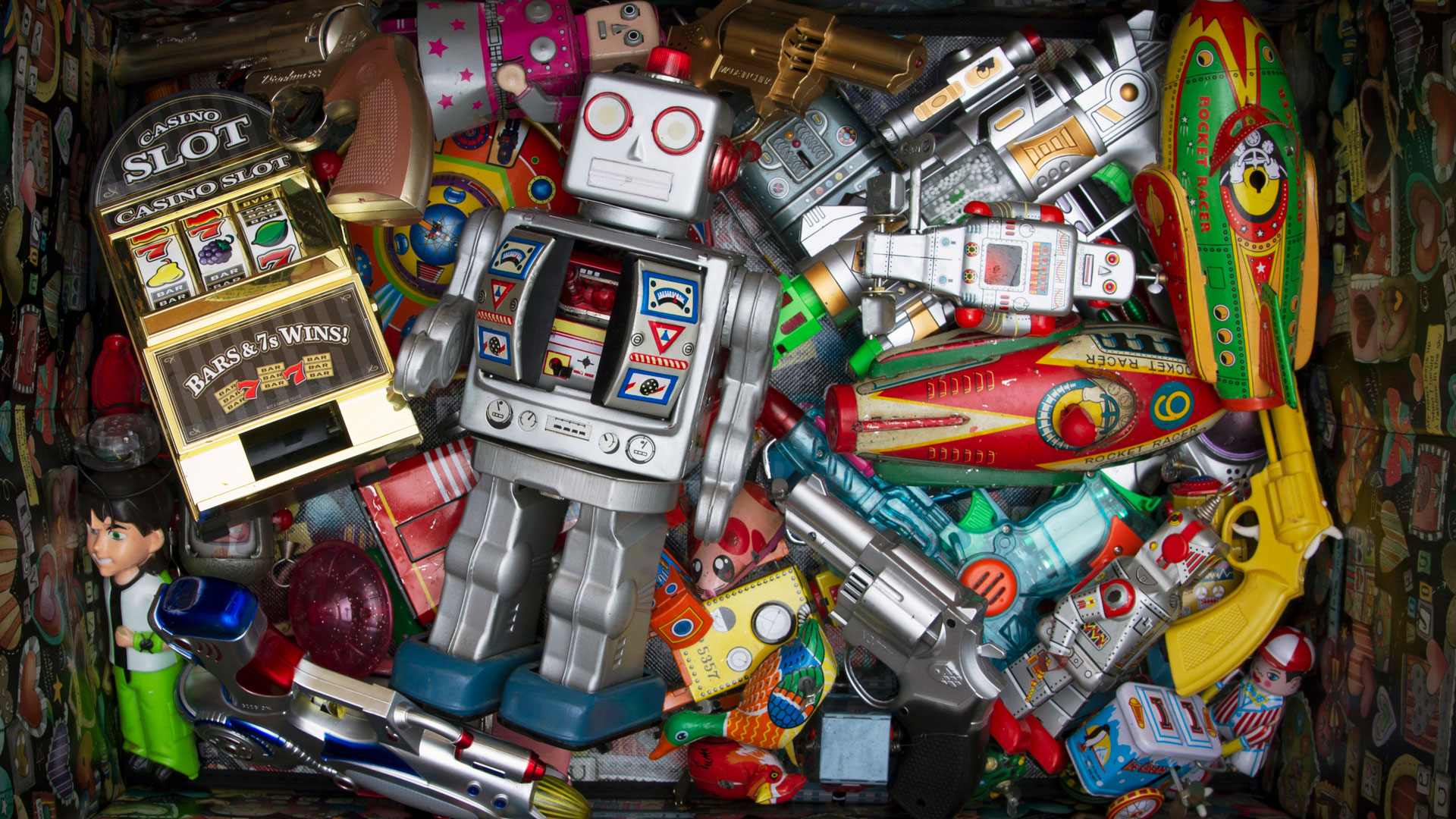
Digitalisation is not just ubiquitous in our home and work lives – it’s also been a fixture of children’s rooms for some time now. Besides classics like talking dolls and Game Boys, even today ’s marble runs come equipped with sound and light effects. And when it comes to board games, an electronic voice that gives children instructions during the game has almost become the norm.

In fact, we’ve become so accustomed to beeping, flashing or flying toys that we sometimes forget all these “smart toys” require sophisticated technology in order to work. Thanks to increasing digitalisation and miniaturisation – with components becoming ever smaller – this technology is now so well hidden that we barely recognise batteries, power packs or other electronic components in our toys any more – or we simply can’t see them with the naked eye.

Invisible electronic waste

In its 2020 report on the global volumes of electronic waste, the United Nations Institute for Training and Research (UNITAR) noted that the amount of invisible e-waste is particularly high in the case of toys. This relates to (broken) toys that should be considered electronic equipment, but we as users often fail to recognise as such. According to UNITAR, some 7.3 billion toys fall under this category worldwide each year – equivalent to one toy for every person in the world.

Hidden hazardous substances

Time and again, laboratory tests show that cheap toys contain banned plasticisers or excessive levels of cadmium, nickel or lead, which can be hazardous to both people and the environment. In addition to these harmful substances, cheap toys also pose a greater fire risk.

The law mandates that all toys manufactured and sold in Switzerland must meet the most stringent safety standards. Swiss toy retailers also undergo regular audits in this regard. If a product displays an address in Switzerland or Europe, the manufacturer, supplier and retailer have vouched for the safety and sustainability of their product by putting their name to it.

SENS eRecycling ensures that when play equipment is recycled, any harmful substances are safely removed and professionally disposed of, while any valuable metals and electronic parts are returned to the raw materials cycle.

Media releases (in German)

You might also be interested in

All blog posts

Sens eRecycling

ReUse of electronic toys

More information
Sens eRecycling

What to look out for when buying toys

More information
Sens eRecycling

Broken electronic toys belong in the recycling

More information
Sens eRecycling

Does your toy flash or buzz? Then it’s an electronic appliance.

More information