



.jpg)


.jpg)
.jpg)

The Swiss perspective on recycling services for electrical appliances
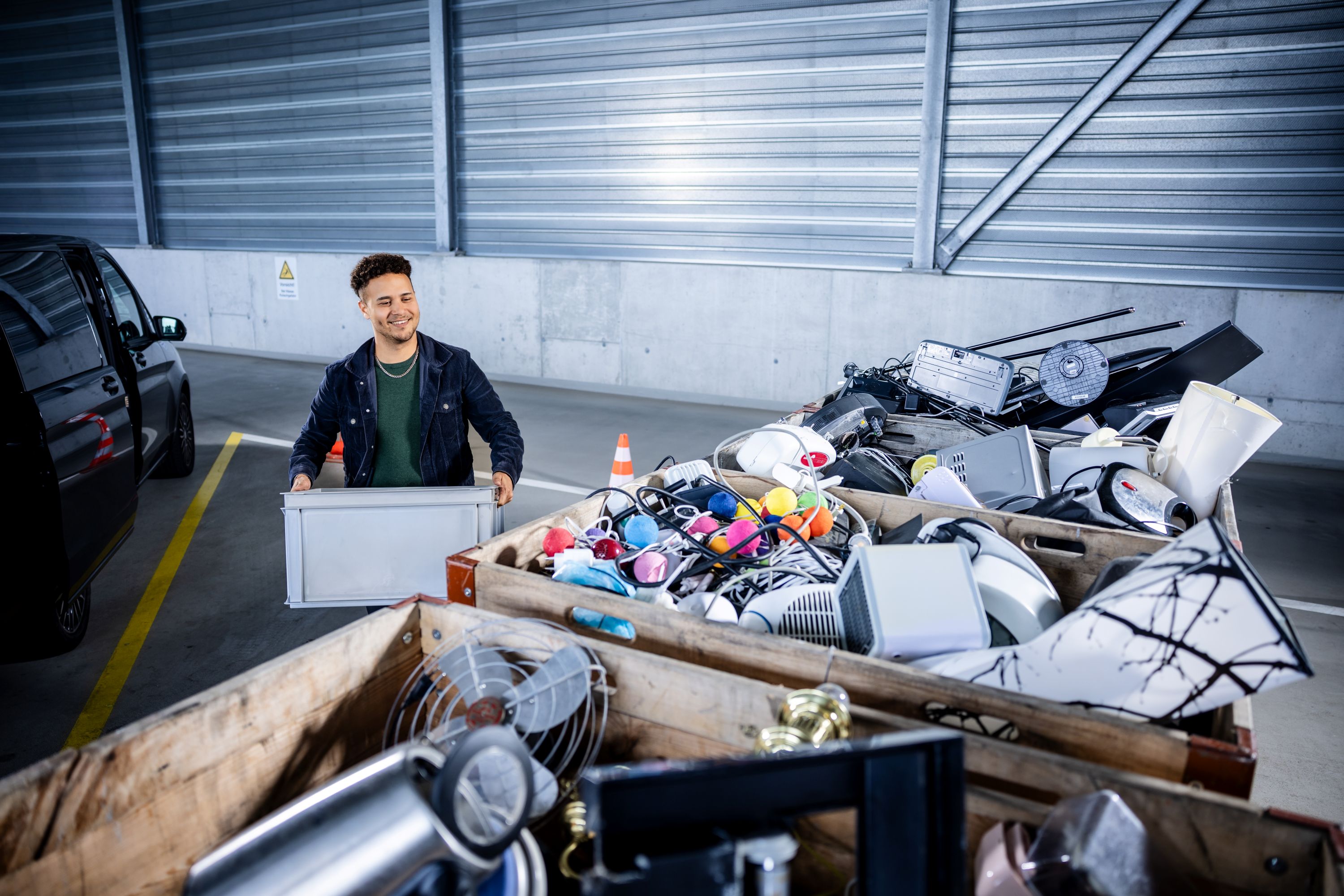
FHNW study
How do people in German- and French-speaking Switzerland perceive the services offered to promote the circular economy for electrical appliances, and what attitudes and barriers do consumers have towards the three services of repair, reuse and recycling (RRR)? These questions were investigated by the Institute for Market Offers and Consumer Decisions at the University of Applied Sciences and Arts Northwestern Switzerland (FHNW) on behalf of SENS eRecycling.
Survey of German- and French-speaking Swiss
A total of 1,002 adults aged 18 and over from German-speaking Switzerland (72%) and French-speaking Switzerland (28%) took part in the quantitative survey between 13 August and 2 September 2024. They were asked questions about their knowledge, perceptions, attitudes and behaviour regarding recycling options for electrical appliances. The sample was quota-weighted according to age, gender, language and region of residence, as well as education, so that it corresponds to these characteristics of the German- and French-speaking Swiss population.
Key findings
1. Knowledge gaps slow down second-hand purchases and repairs
Over 75% of respondents know where they can recycle electrical appliances. But less than half know where they can buy second-hand appliances or have faulty appliances repaired. As a result, these services are rarely used.
2. Size and value determine whether items are recycled, repaired or reused
The more expensive an appliance is or the more (emotionally) attached someone is to it, the more likely it is to be repaired or given away. For cost-benefit reasons, people also prefer to resell expensive appliances that still work. However, the smaller an appliance is, the more likely it is to be removed from the cycle and
incorrectly disposed of in the rubbish.
3. Ad hoc rather than periodically
Disused electrical appliances are usually passed on or recycled during events such as moving house, buying new appliances or clearing out. Rarely promptly or periodically.
4. Personal experience and confidence in one's own abilities promote competence to act
The more respondents are familiar with the individual RRR services and how to use them, the less they are perceived as tedious and the more often they are used.
5. Emotions drive or inhibit the use of RRR services
Positive feelings such as pride and satisfaction when repairing, giving away or properly recycling
increase the use of corresponding services, while feelings of guilt and shame as well as hygiene concerns discourage it.
6. Attitudes shape habits
People who believe that broken electrical appliances should be repaired and working appliances reused rather than disposed of are more likely to use repair and reuse services. Buying second-hand appliances still carries a second-choice image.
More about the study
Here you can find the recording of the webinar.