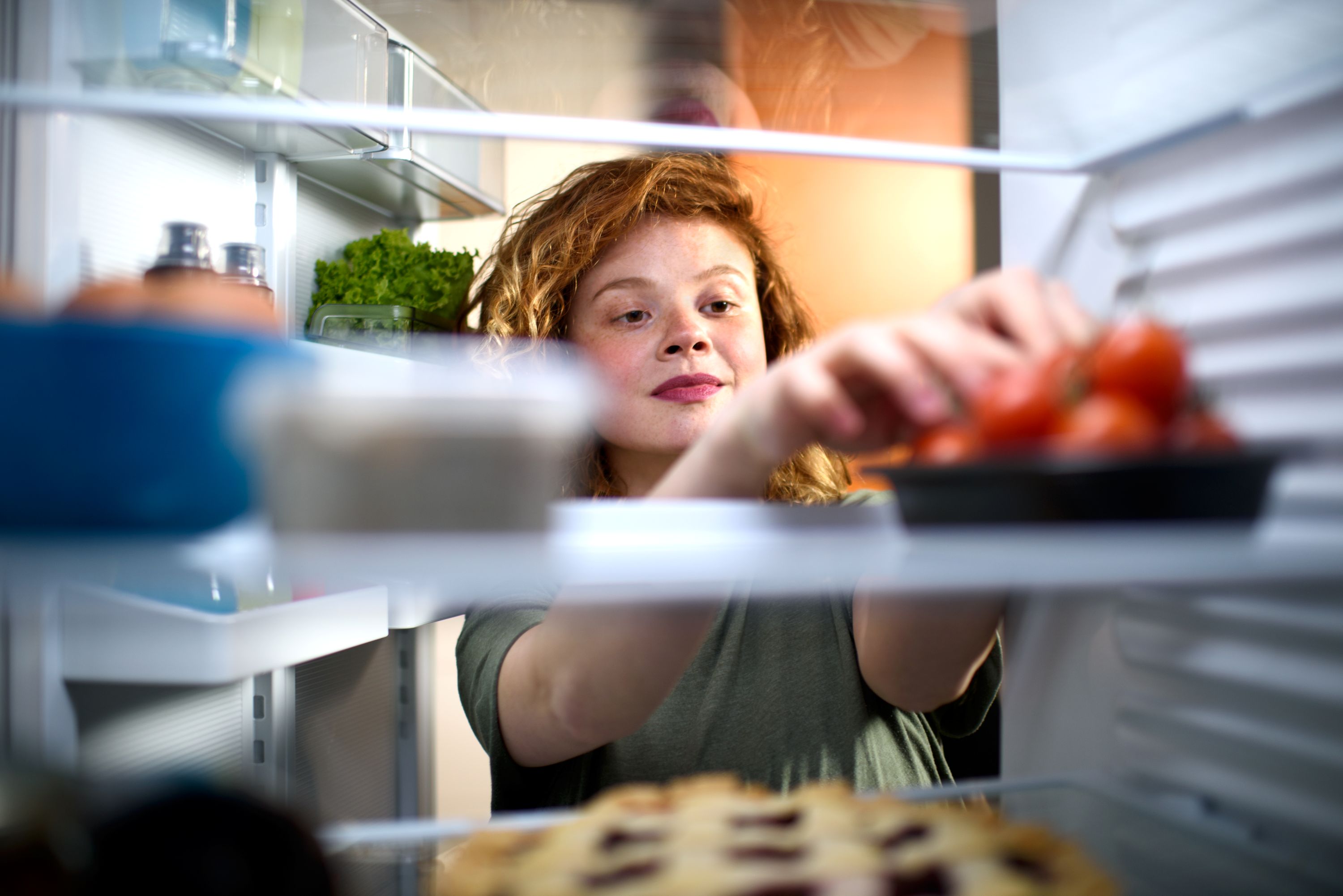
The sun is blazing, the thermometer is rising, the children are waiting for their ice cream – and suddenly the freezer gives up the ghost. A functioning refrigerator is worth its weight in gold, particularly in the hotter months of the year. What should you do when your freezer decides to go on strike?
Here are our tips.
1. Keep the door closed
If the freezer is no longer cooling properly, make sure you keep the door or lid closed! This way, the cold is kept in for longer, and the contents won’t go bad immediately. In a fully filled appliance, food remains frozen for several hours.
2. Troubleshoot the problem
First check for the following:
- Is the appliance plugged in correctly?
- Is there a power outage, or did the fuse blow?
- Are the ventilation slits blocked or iced over? In this case, brief defrosting of the appliance can help.
- Is the compressor still humming? If not, the motor could be faulty.
- Are the pipes and cooling fins on the back dusty? Disconnect the appliance from the mains and wipe away the dust.
Many manufacturers offer online troubleshooting or telephone assistance. Please note: Never tinker with electrical components yourself – it can be dangerous.
3. Repair or replace?
Not every defect spells the end of your appliance. Our Circular Platform gives you initial indications of whether repairing your freezer is worthwhile. Replacing small parts like the thermostat or fan is often cheaper than buying a new freezer – and it prevents CO2 emissions while conserving raw materials. However, repair is generally only worthwhile for appliances from the two highest energy efficiency categories (A and B).
It is best to contact the manufacturer of your appliance directly or find a certified repair service in your region. Many repair companies also offer an initial assessment via telephone or e-mail.
4. Rescue your food
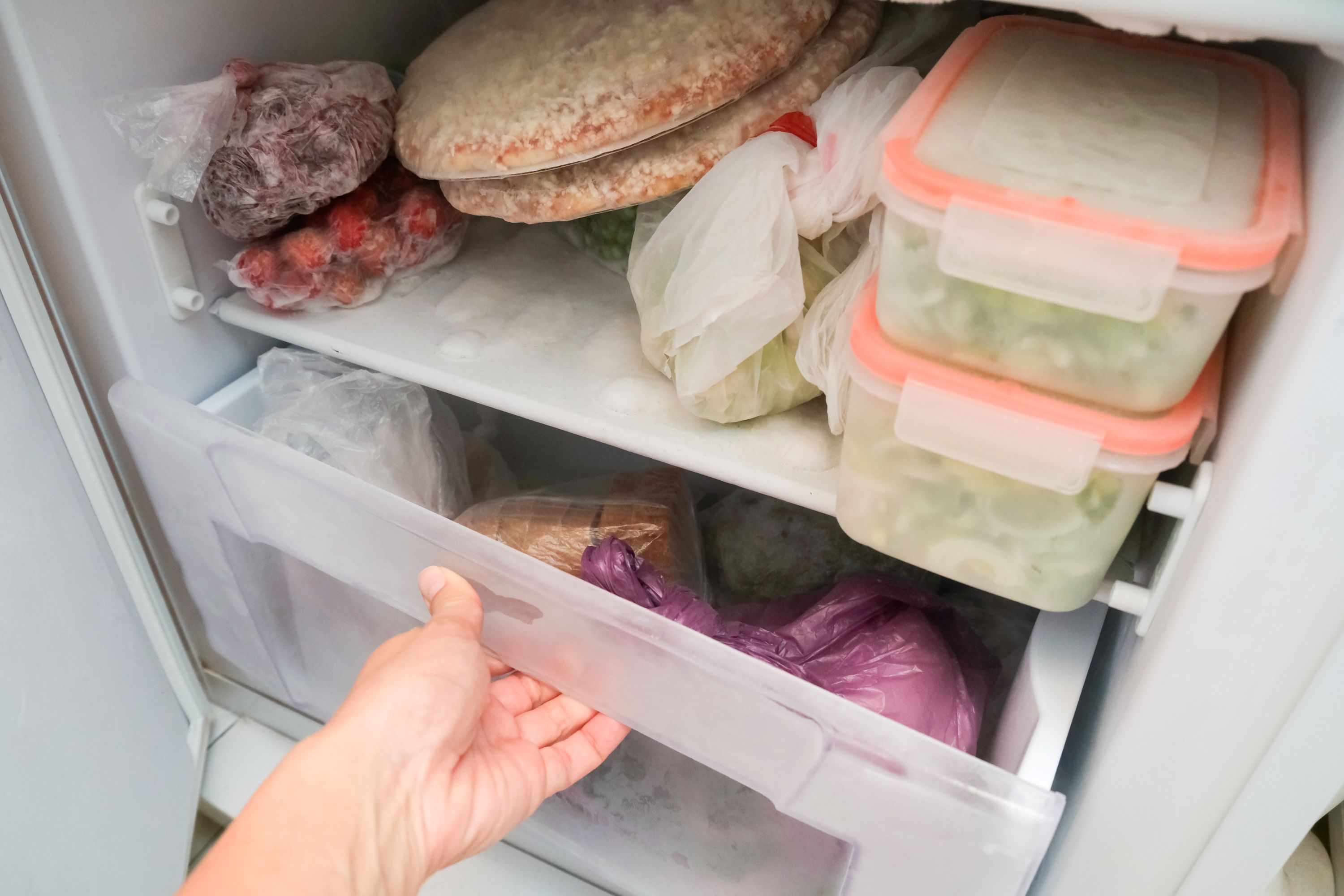
If you don’t want to or can’t eat all the ice cream at once, look for a temporary solution for your frozen foods. Store them with neighbours or family, keep them in cool boxes with ice packs, or add insulation to the faulty freezer.
If you can’t find a temporary solution, remember: Food containing raw meat, fish, cream or raw eggs should not be refrozen once it has thawed. If you can’t use the frozen foods right away, ask those around you for help: Perhaps someone has space in their own freezer or is able to take the food. Neighbours, friends or family will surely be delighted by an unexpected portion of lasagne or some delicious ice cream. Bread, baked goods, fruits and vegetables, on the other hand, are no problem. You can freeze them again after repairing or replacing the appliance.
5. Last stop: recycling
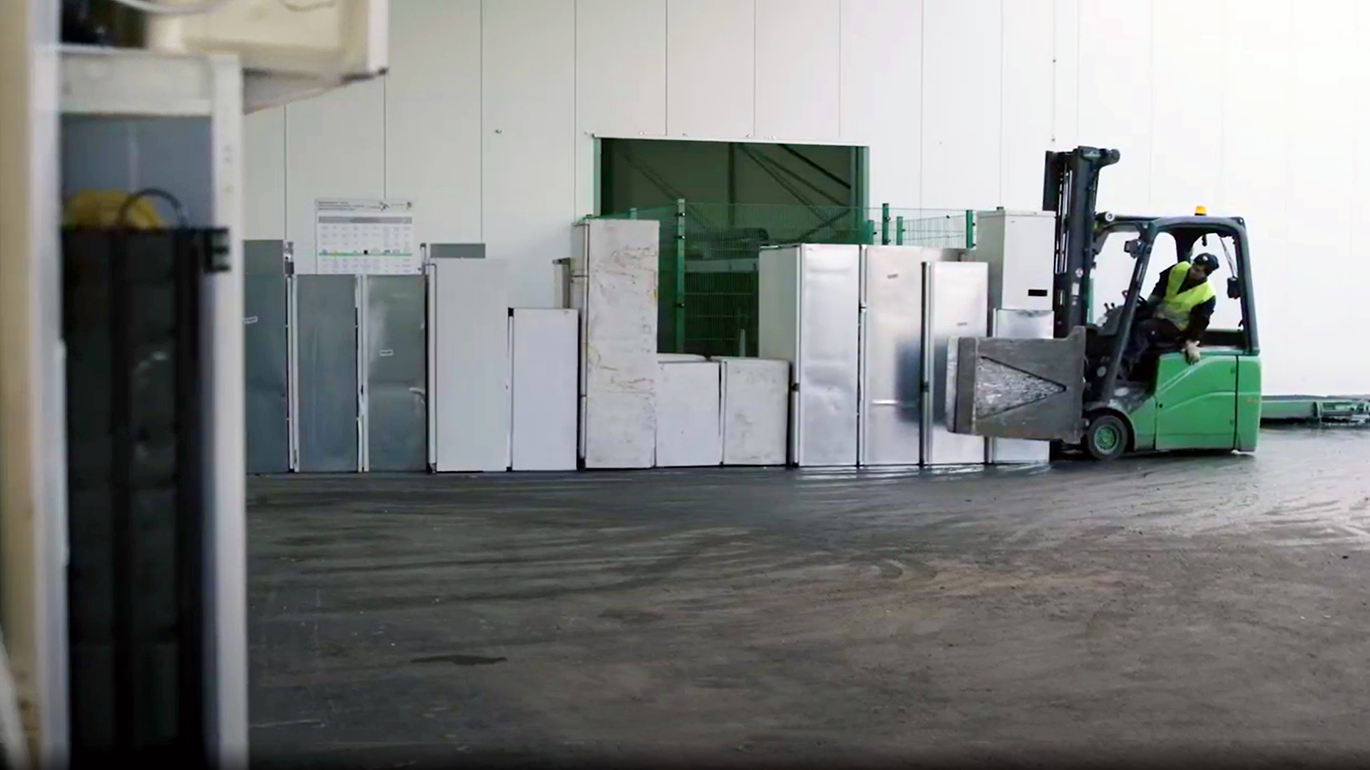
Is your appliance beyond repair? Then it’s time to recycle it. Freezers contain climate-harming refrigerants and oils that can pollute the environment if disposed of improperly.
We not only ensure that the climate-harming refrigerant is properly removed but also that the recyclable materials contained in the freezer are returned to the materials cycle. The average recycling rate for refrigerators and freezers is 85%. That means that more than four-fifths of your appliance can be reused after it is recycled.
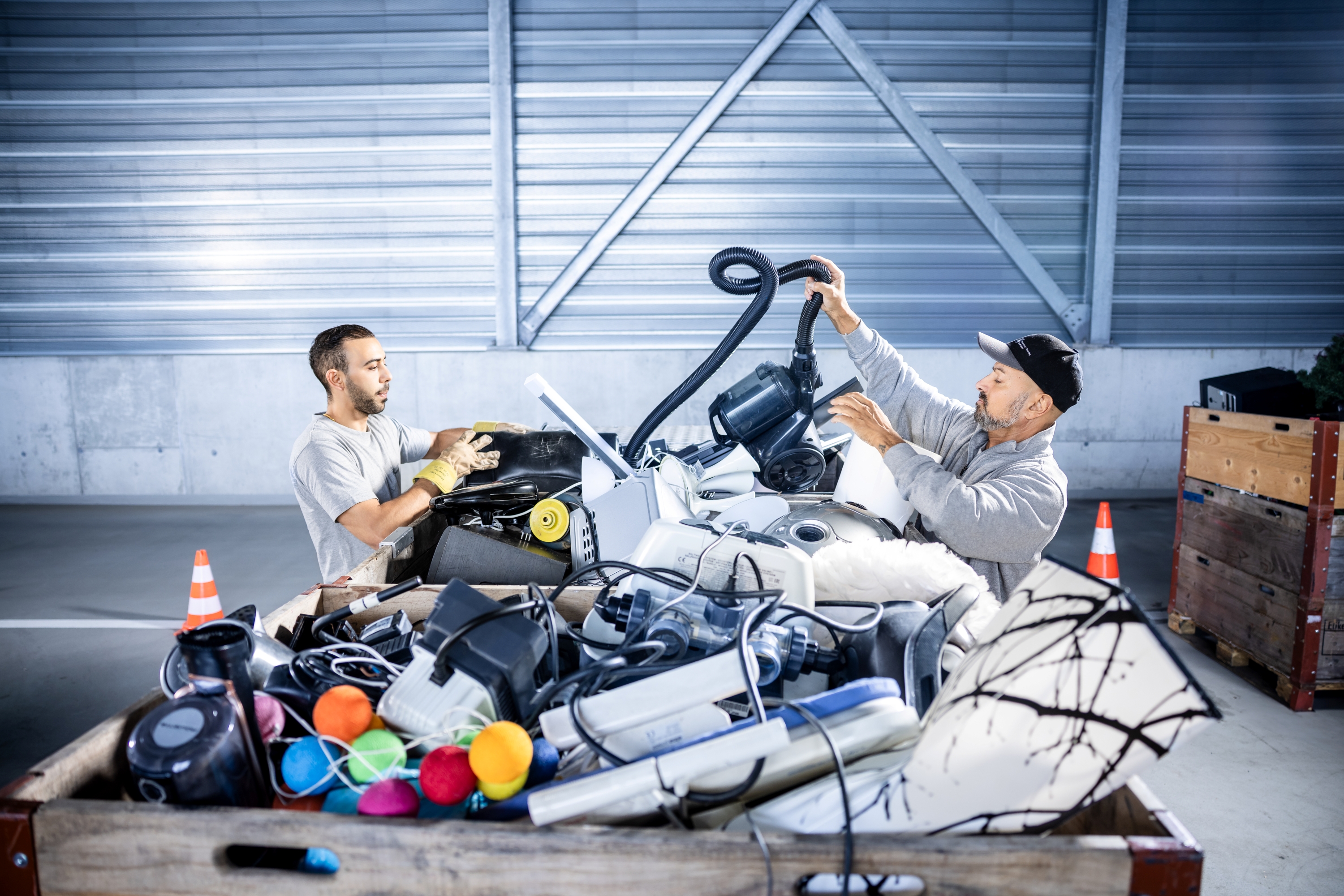
Recycling is free for you – because with your purchase, you have already paid the Advance Recycling Contribution (ARC) fee. Drop off your appliance at an official SENS collection point or an appliance retailer.




.jpg)


.jpg)
.jpg)

.2025-07-07-14-34-19.jpg)