



.jpg)


.jpg)
.jpg)

How does eRecycling work in Switzerland? The cycle in detail
.2025-08-08-08-58-23.jpg)
The average European household contains 74 electrical appliances. But what actually happens to the discarded coffee machine, the broken hair dryer or the old washing machine? The Swiss eRecycling system is based on a sophisticated cycle that recovers valuable raw materials from electrical waste. We show you the journey of an electrical appliance from the till to the recycling of materials.
1. Purchase: the ARC makes it possible
Everything starts with purchasing a new appliance. Anyone buying new electrical and electronic equipment in Switzerland from an ARC partner pays the advance recycling contribution (ARC). This is included in the purchase price and is passed on by the retailer to recycling organisations such as SENS eRecycling. The contributions flow into special funds that finance all subsequent recycling. The money is thus earmarked and safely stored. It doesn't matter whether you use your appliance for two years or ten years: disposal has already been paid for.
2. Use: use for as long as possible
After purchase, the usage phase begins – and it should ideally last as long as possible. The longer an appliance remains in use, the more sustainable it is. Repairs, careful handling and good maintenance extend the service life and reduce the environmental footprint.
However, every appliance eventually reaches the end of its lifespan: it breaks, is replaced by a more powerful model or no longer meets current needs. This is when the next phase of the cycle begins.
3. Return: nationwide network of collection points
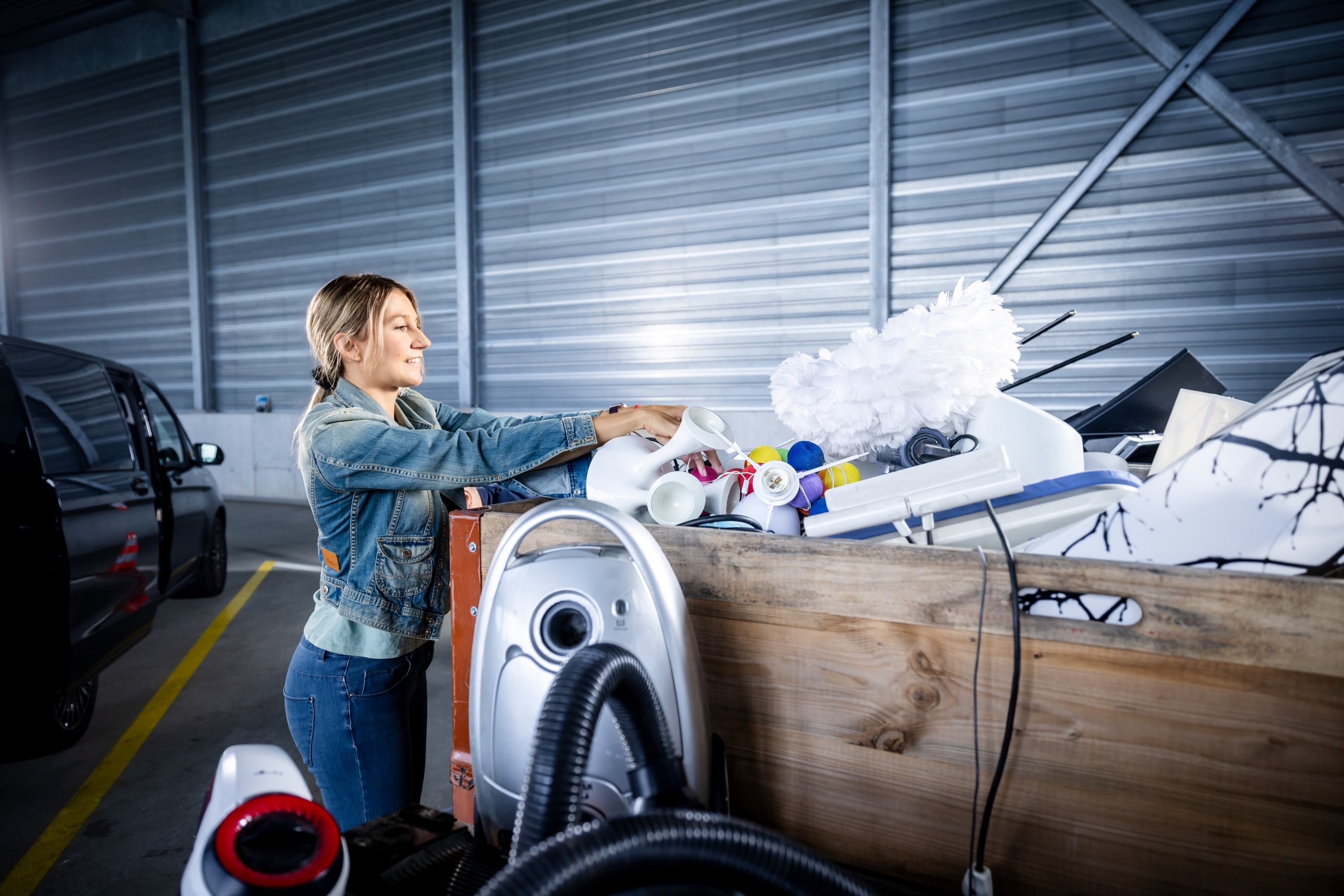
In Switzerland, you have various options for returning your end-of-life electrical appliances. Firstly, you can take them to one of 640 SENS collection points. These include municipal collection points, but also retail outlets such as electronics shops, supermarkets and DIY stores. Returning them is straightforward: simply bring them along, hand them in, done – at no extra cost. The legal take-back obligation applies to all retailers: where an appliance is sold, a similar old appliance must also be taken back.
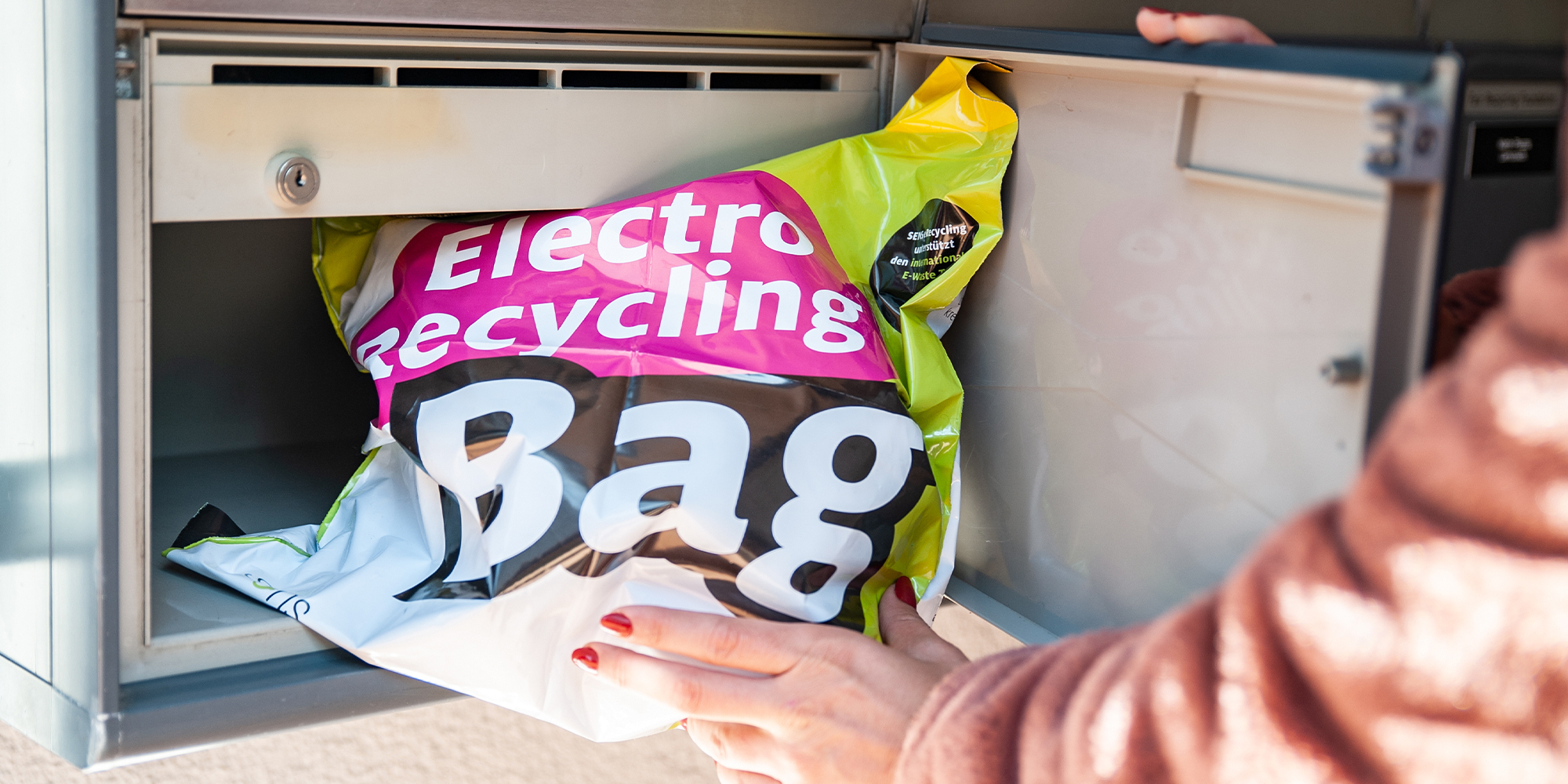
Secondly, you can have your appliance collected from home. This is particularly practical for large, heavy appliances such as washing machines or fridges. When delivering a new appliance, many retailers also offer to take your old one with them at the same time. The Electro Recycling Bag is ideal for smaller appliances. Put the appliances in, place the bag in your letterbox and the post office will collect it.
4. Transport: professional logistics
The logistics are efficiently organised: collection points create pickup orders via the SENS online portal as soon as sufficient appliances are ready for collection. This triggers transport. Specialised logistics companies collect the appliances and take them to dismantling or recycling companies. Over 30,000 pickup orders are processed each year – an efficient system that ensures collection points do not become overcrowded and that appliances are processed promptly. This part of the cycle is invisible to consumers, but crucial for smooth operations.
5. Dismantling: disassembly with a lot of manual work
Processing now begins. Many appliances are first dismantled manually. Skilled workers remove batteries and accumulators, unscrew housings, separate various components from each other and sort the components according to material and pollutant content. Different appliance categories go through different processes.
.2025-08-08-08-58-23.jpg)
6. Recycling: safely dispose of pollutants, recover recyclable materials
Before recyclable materials can be recovered, harmful substances must be properly removed. Electrical and electronic equipment contains various pollutants that could endanger the environment and health if handled improperly:
Refrigerants and insulating foams from refrigerators and freezers are extracted in special facilities and disposed of or processed in an environmentally friendly manner.
Heavy metals such as lead, mercury or cadmium from batteries or fluorescent lamps are identified and separated.
Flame retardants from plastic housings are detected and the contaminated materials are treated separately.
Capacitors with PCBs (polychlorinated biphenyls) from older appliances are sorted out and disposed of properly.
This pollutant treatment takes place in specialised facilities under strict safety and environmental regulations. This is the only way to ensure that hazardous substances do not enter the environment.
After all pollutants have been removed, the actual recovery of recyclable materials begins. Now machines come into play: shredders reduce the appliances to small pieces. Magnetic separators separate iron and steel. Eddy current separators sort out aluminium and other non-ferrous metals. Optical sensors identify different types of plastic. This gradually produces pure material fractions.
The end result is sorted raw materials that are fed back into the production cycle as secondary materials:
Metals: copper, aluminium, iron, steel and small quantities of precious metals are recovered. A washing machine, for example, contains several kilogrammes of steel and copper – valuable raw materials that are returned to the cycle.
Plastics: different types of plastic are sorted and processed into granules that can be used for new products.
Glass: glass components are melted down and recycled.
Rare earths: these elements important for modern electronics, such as nickel, cobalt or lithium, are recovered through a complex process, as their extraction is particularly harmful to the environment.
Precious metals: gold, silver and palladium can be extracted from circuit boards – often in specialised smelting plants.
The recovery rate is over 95 per cent: only a small remainder must be disposed of as slag or hazardous waste.
.2025-08-08-08-55-02.jpg)
7. The cycle closes
The recovered raw materials are sold to industry and used there for new products. The aluminium from your old coffee machine might become part of a new bicycle, and the copper from the vacuum cleaner cable will soon be used in new electric motors.
This is how the cycle closes: from the new appliance through use and return to processing and back into new products. The Swiss eRecycling system turns waste into something valuable again. In doing so, it conserves natural resources and reduces CO₂ emissions.
Your role in the cycle
As a consumer, you play a central role in this cycle. You contribute to its success with three simple steps:
Buy consciously: when purchasing a new appliance, pay attention to durability and buy your appliances from ARC partners of SENS eRecycling. This ensures that recycling is already pre-financed.
Use for a long time: take care of your appliances and have them repaired if possible. If you are unsure whether a repair is worthwhile, you will find the answer on the Circular Platform.
Dispose of correctly: take old appliances to a SENS collection point or specialist retailer, or dispose of them with the Electro Recycling Bag.
.2026-07-17-14-34-47.jpg)
SENS eRecycling
Obstgartenstrasse 28
8006 Zürich