Adjustment to tariffs as of 1 January 2026
For over 35 years, SENS eRecycling has been offering collection and recycling solutions for a wide range of industries. For each of these industry solutions, an advance recycling contribution (ARC) is levied to create a dedicated fund for financing collection, transport, recycling, quality control and awareness-raising measures. In 2026, tariffs will be increased in two categories for the first time.
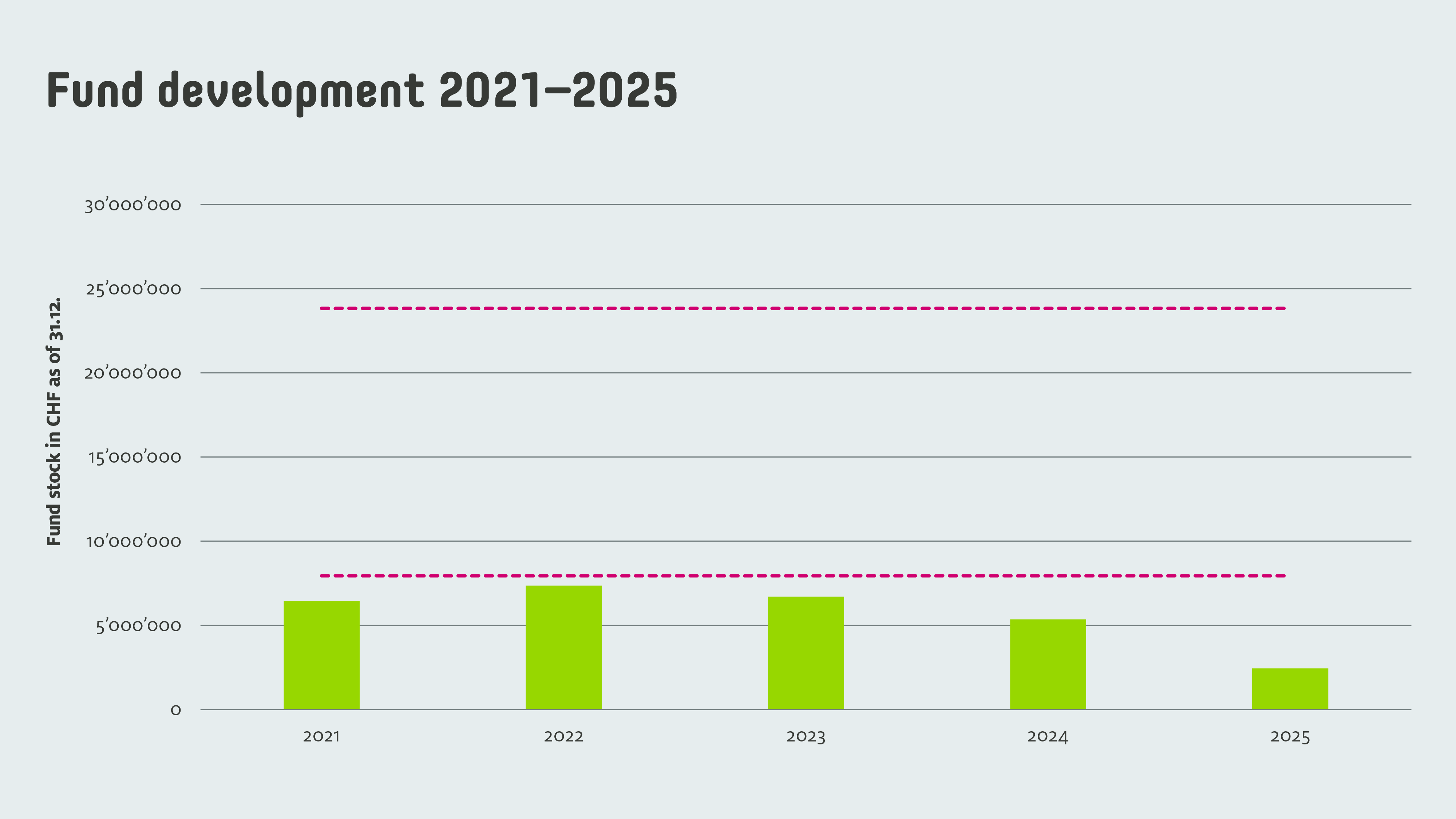
The fund for small devices, which has been in existence since 2004, has had a low balance for some time and is significantly below the fund's lower limit as of 31 December 2024. The increases in costs related to collection, transport and recycling, as well as the increase in quantities, are increasingly exacerbating this situation. To settle the discrepancy in the fund, an increase in tariffs is necessary.
Overview of the tariff adjustments
Products in the small devices and power tools categories are affected by the increases.
| ARC category | Old tariff including ADF | New tariff including ADF |
| ARC SENS devices < 0.250 kg | 0.185 | 0.190 |
| ARC SENS devices < 5 kg | 0.560 | 0.680 |
| ARC SENS devices < 15 kg | 2.310 | 3.110 |
| ARC SENS devices < 25 kg | 5.560 | 7.510 |
| ARC power tools < 0.250 kg | 0.490 | 0.490 |
| ARC power tools < 2 kg | 1.460 | 1.580 |
| ARC power tools < 5 kg | 2.160 | 2.280 |
| ARC power tools < 15 kg | 5.510 | 6.310 |
| ARC power tools < 25 kg | 10.380 | 12.330 |
The new tariffs are valid from 1 January 2026. A detailed list of the categories affected can be found in the 2026 tariff and device list. By adjusting our tariffs, we ensure sustainable financing and the provision of high-quality recycling for the coming years. Would you like to learn more about the increase in tariffs? Visit our website or one of the two webinars on this topic.
Adia Zürcher-Pedersoli
Customer Service
Increasing costs and quantities coupled with growing challenges
The reasons for the increasing costs are the new charges for collection, transport and recycling services. Since 2017, no increases have been made in this area. The charges were reviewed through studies and external support. The results of these checks led to an increase in charges by 15 per cent. In addition to higher wages, fuel costs and energy costs, the underlying factors include the increased complexity and miniaturisation of the electrical and electronic devices affected by the increase. In addition, the higher risk of fire due to the increased use of battery-powered electrical devices must be taken into account. By contrast, the volume of recyclable materials recovered has decreased.
Outlook for the next few years
The revised Environmental Protection Act, which came into force on 1 January 2025, promotes the circular economy in Switzerland and strengthens the role of private sector organisations. The preparation and adjustment of the relevant ordinances is currently underway and is scheduled to be completed by 2027 according to the schedule of the Federal Office for the Environment (FOEN). This creates additional opportunities for SENS eRecycling. From 2028 onwards, stakeholders that have not yet participated in the system should also be able to become involved, thereby closing existing financing gaps.
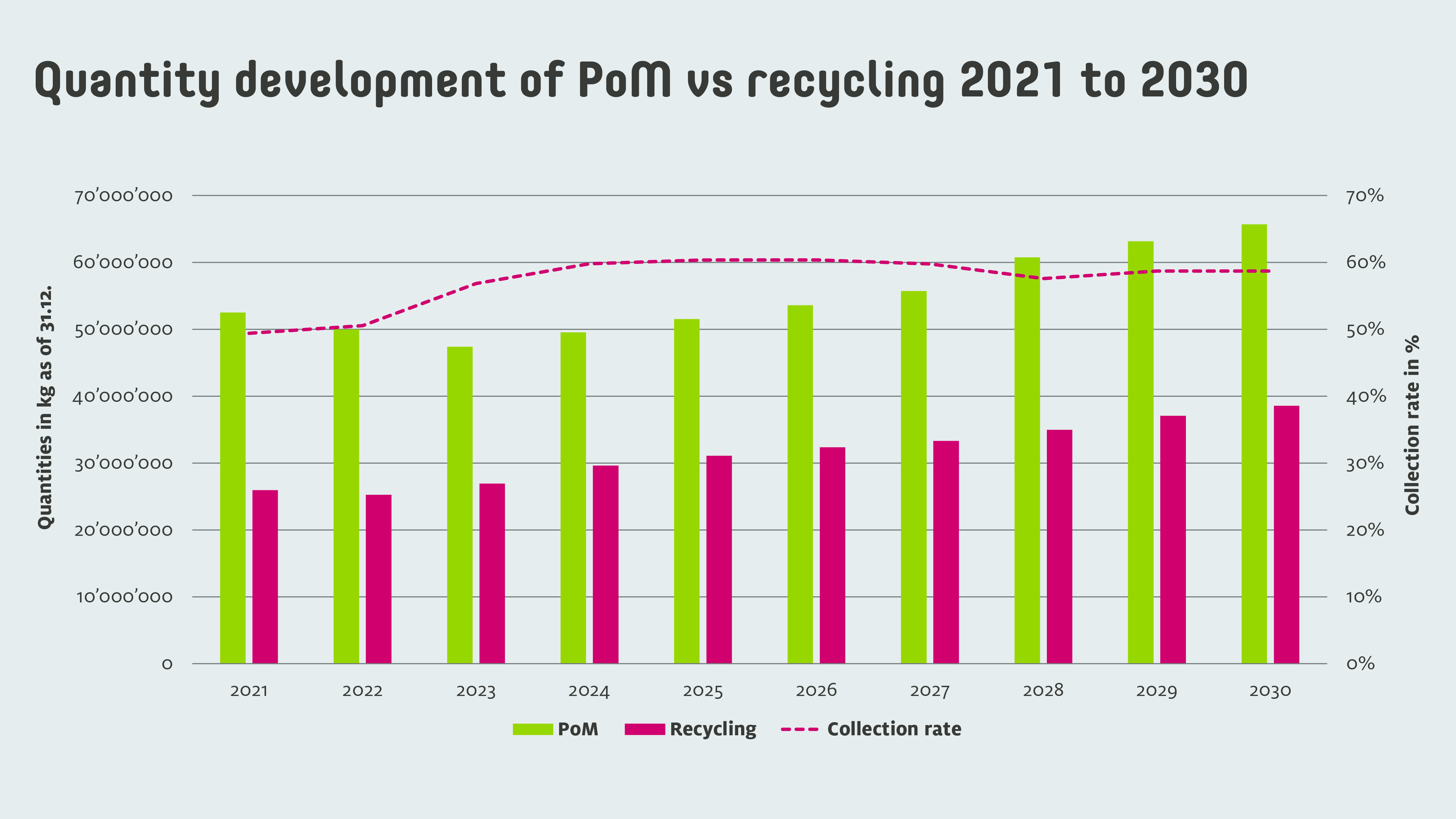
By 2030, SENS expects a steadily growing market for small devices, with the key growth drivers being demographic development, technological innovation and consumer behaviour. A slight increasing in the collection rate is expected on the disposal side, which will be achieved through changes in consumer behaviour and growing awareness resulting from targeted campaigns.
The tariff adjustments secure sustainable financing for the coming years while maintaining high-quality recycling. Through the measures taken, the fund for small devices should have returned to a level that is within the fund limits defined in the regulations by 2030.
Frequently asked questions on the topic
Why is the advance recycling contribution (ARC) being adjusted?
The fund for small devices is significantly below the regulatory minimum. An increase to the ARC is necessary to ensure sustainable financing and high recycling quality.
When do the new tariffs take effect?
The new ARC tariffs will come into force on 1 January 2026.
What is an ARC and what is it used for?
The ARC (advance recycling contribution) finances collection, transport, recycling, quality control and awareness-raising measures in the framework of the SENS system.
Why has the fund for small appliances fallen so sharply?
Reasons include increased costs, a growth in the volume of devices and a lack of advance recycling contribution adjustments in recent years.
What specific cost increases have there been?
Since 2017, there have been no increases for service partners. In 2024, the charges were increased by 15%. The key drivers behind this were miniaturisation, lithium-ion batteries, decreasing material yield, and higher energy and transport costs.
Why do some tariffs for power tools remain unchanged?
For small devices (<0.25 kg), the existing contribution sufficiently covers the actual costs.
How is the small device market developing in Switzerland?
It is growing at a consistent rate of about 4% annually. Online retail continues to grow, but it has no significant impact on the freeloader rate.
Will there be any regulatory changes?
Yes, after the USG and VREG revisions in 2027, new requirements such as contribution obligations and universal applicability will be introduced.
What role will the circular economy and repairs play in the future?
In Switzerland, the impact remains low – high labour costs and a low acceptance of repairs are hindering the development.
How does the ARC increase affect our final prices?
The ARC is a part of the final sale price. Manufacturers and importers must check whether they will pass the additional costs on to their customers or absorb them internally. Transparent communication with retailers is crucial.
Do we need to re-declare or relabel our products?
No, the adjustment primarily concerns the contribution level, not the product declaration. However, the new ARC should be taken into account for price information.
Do existing inventories need to be retroactively adjusted with the old ARC?
No, the date of sale applies. Products that were placed on the market before 1 January 2026 are subject to the old tariff.
Can we ask SENS about the pricing classification of our products?
Yes, SENS eRecycling offers advice if there is uncertainty regarding the weight category or product category. You can contact the customer team directly at: kunden@sens.ch.
Will there be further increases in the coming years?
According to the forecast, the current adjustments are expected to ensure medium-term stability (until around 2030). Further adjustments will depend on market developments and costs.
What happens if we do not correctly remit the new ARC?
With the universal applicability planned for 2027, compliance will be more strictly monitored. Violations could lead to sanctions or exclusion from the system.
What advantages do we gain from participating in the SENS system, despite the additional costs?
Advantages include simple disposal solutions for customers, uniform financing solution, access to industry know-how, equal opportunities in the market and a proven recycling system.
What role will non-participating companies play in the future?
Starting in 2028, non-participating companies are to be identified more effectively and involved – this is to protect fair market participants from distortion of competition.
Do exceptions or reductions exist for specific product groups or small series?
Currently, no exceptions apply. However, special cases can be discussed directly with SENS.
Can we reduce the ARC through eco-design or repairability?
Not directly at this time. In the long term, however, systemic incentives for environmentally friendly products could be examined.
SENS eRecycling
Obstgartenstrasse 28
8006 Zurich
+41 43 255 20 00
info@sens.ch