



.jpg)


.jpg)
.jpg)

Fast Tech: when small appliances become a big problem
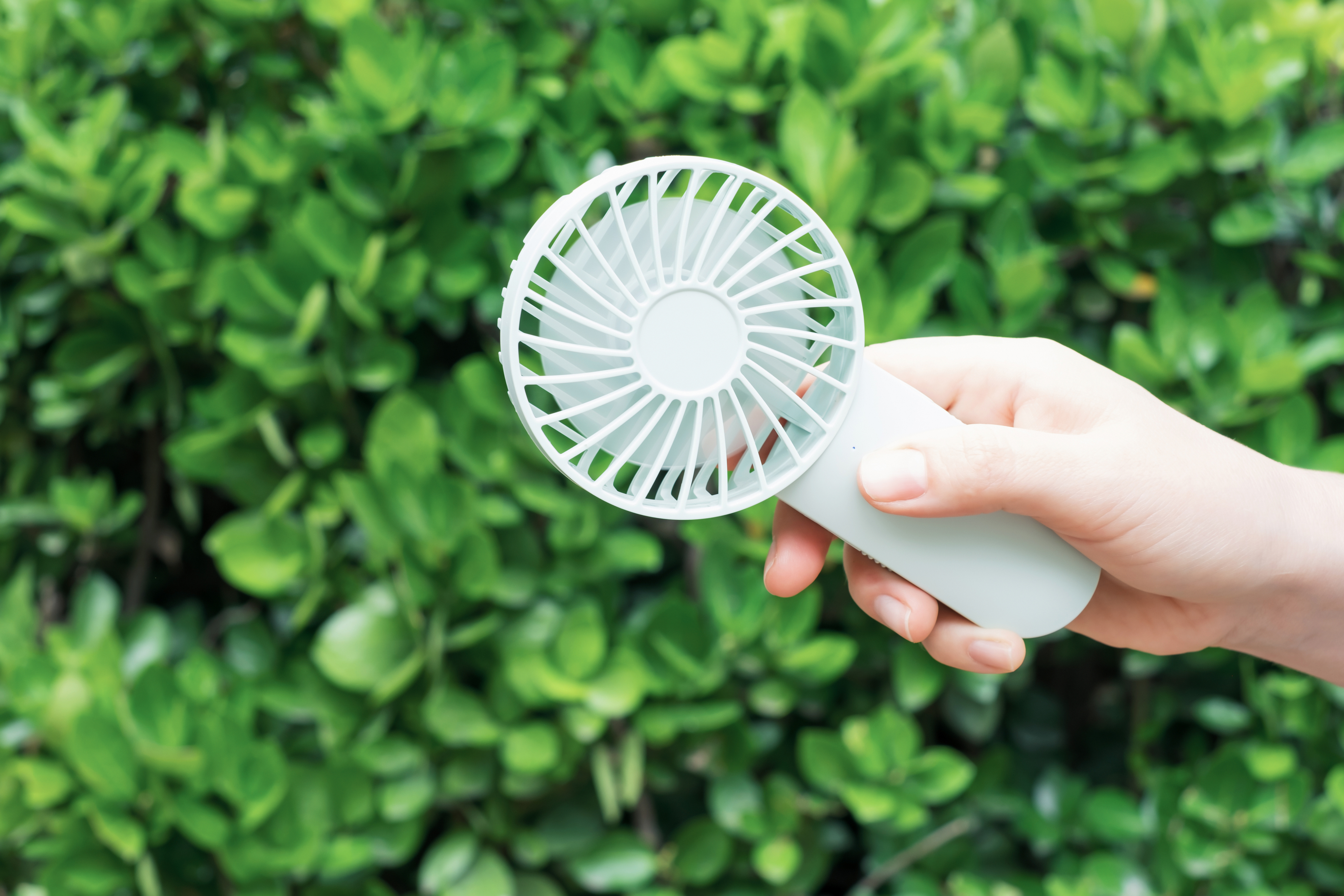
A mini fan that breaks after three days. A keyring torch you barely ever use. A disposable vape that's done for after a few dozen puffs. On their own, these things seem small, cheap and harmless. Together, they add up to a rapidly growing waste category: Fast Tech.
A look inside the drawers of Swiss households shows just how much Fast Tech accumulates over time. Here is a small, non-exhaustive selection of typical Fast Tech products that belong in the SENS recycling system:
- Mini fan
- Selfie ring light
- USB clip-on light
- Electric fly swatter
- Electric (pet) toy
- Electric beauty gadget, such as electric nail files or nail clippers
- Rechargeable lint remover
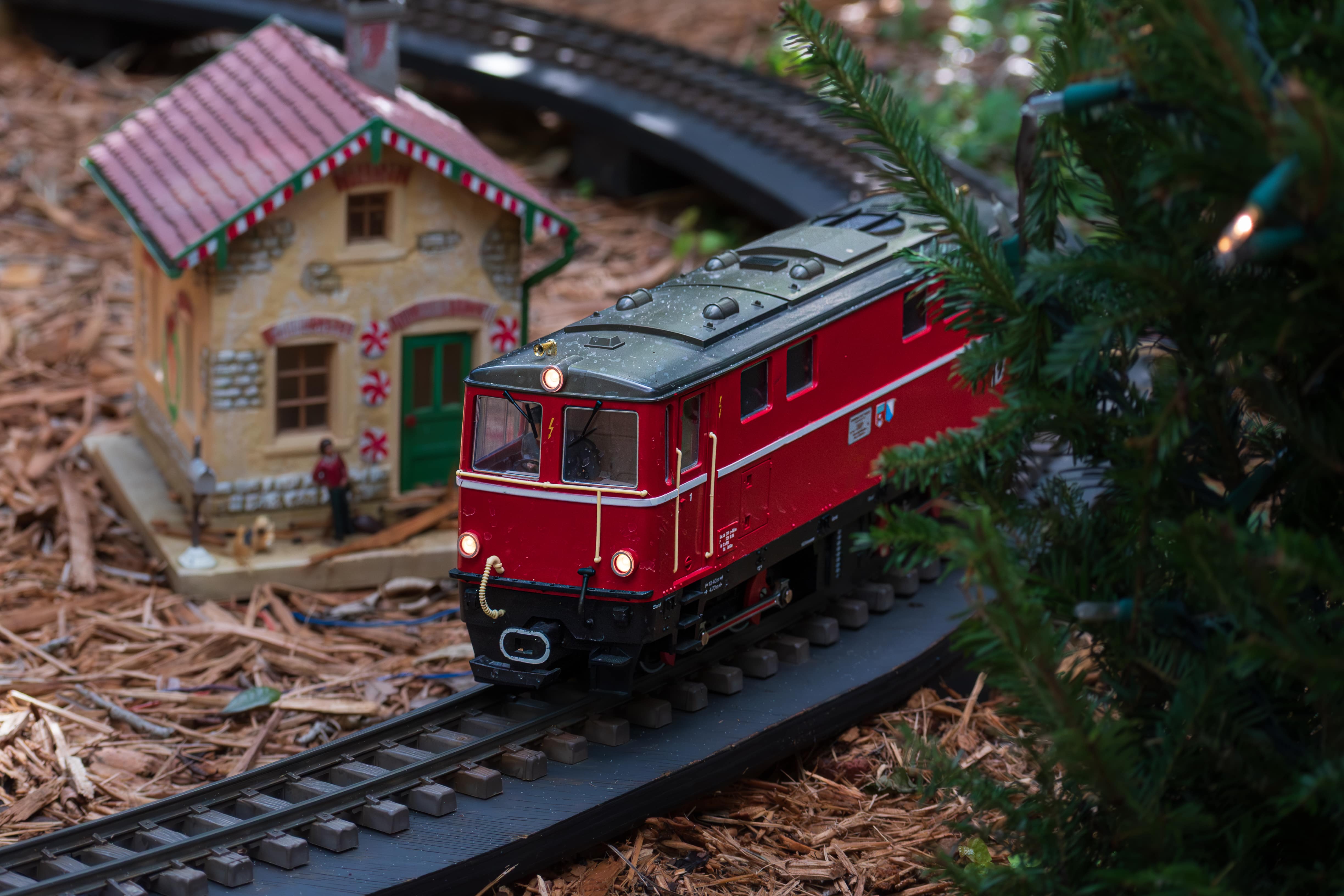
- LED fairy lights
- Disposable e-cigarettes
What connects these devices: they're cheap, quickly bought and just as quickly replaced. Yet they contain batteries, rechargeable batteries or other electronic components that need to be properly recycled.
What is Fast Tech?
Fast Tech refers to the growing number of cheap electrical and electronic devices that are often bought on impulse and discarded again without much thought. The term deliberately echoes "fast fashion". Just as throwaway culture has changed our consumption habits when it comes to clothing, a similar trend is emerging for small electrical devices: short lifespan, low price, high volumes.
An enormous variety of products
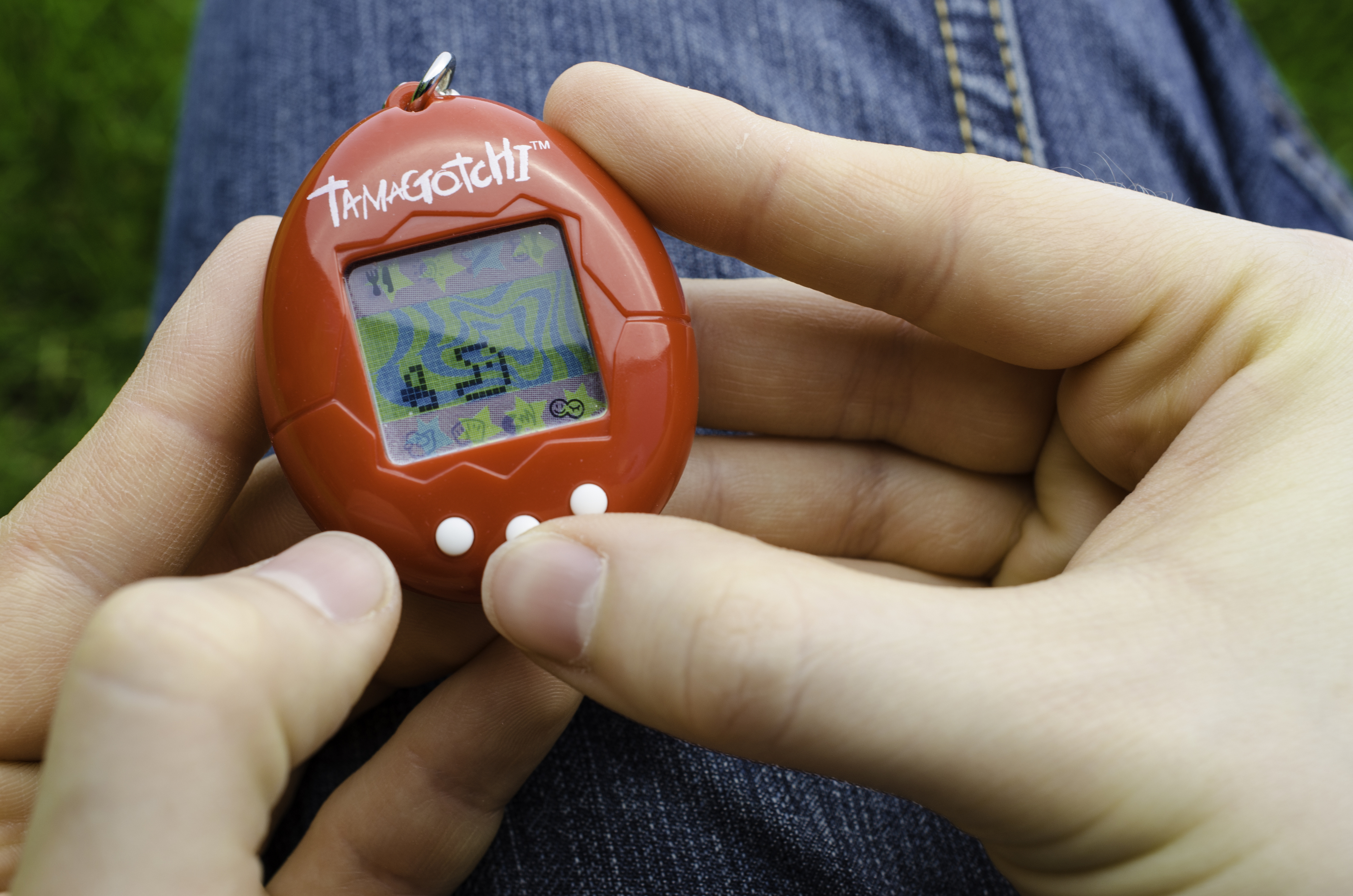
What makes Fast Tech particularly tricky is that the range of products is practically limitless and keeps growing with every new social media trend. A self-stirring coffee mug, a portable cooling vest, or a rechargeable vacuum sealer for crisp packets: all of these products cost just a few francs, are ordered on a whim, and often end up back in a drawer, in the cellar, or in the bin before long. Precisely because they're so small, so cheap and bought so quickly, they're hardly ever recognised for what they actually are: fully-fledged electrical devices containing hazardous substances that need to be properly removed, and raw materials from which something new can be made. With a disused washing machine or an old microwave, almost everyone understands that the product belongs in recycling. With Fast Tech, this awareness is often missing. Too small, too cheap, and seemingly made of too much plastic – the individual product doesn't seem like something you'd associate with "e-waste". Yet in Switzerland, the rule is clear: anything with a plug, a cable, a battery (rechargeable or not), anything that produces light or electricity, or that has a solar cell, is an electrical device and belongs in eRecycling. This is also set out in the Ordinance on the Return, Taking Back and Disposal of Electrical and Electronic Equipment (ORDEE).
Recycling without a contribution
On top of this, many providers on online platforms aren't registered as manufacturers or importers with a Swiss recycling system. These are known as non-system participants. As a result, they don't charge an advance recycling contribution (ARC) on their products. Yet since these devices often still end up in the SENS recycling system, the recycling costs go uncovered and have to be borne by those who do participate in the system. If you do end up buying a device from a non-system participant and want to make sure your device isn't recycled at other people's expense, you can pay the voluntary ARC here.
An underestimated risk of fire
Fast Tech isn't just a missed recycling opportunity – it's also a safety issue. Many of these devices contain lithium-ion batteries. If crushed or damaged inside a rubbish bag, they can cause fires in collection vehicles or sorting facilities. This is no longer a theoretical risk. Incorrectly disposed of and damaged batteries are among the causes of fires at collection points and recycling companies. In July 2025, for example, an entire hall at the regional collection centre of TIT Imhof AG in Kreuzlingen burned down within minutes (more on this in the 2026 Technical Report). It's therefore all the more important that even the smallest electrical devices are recognised as such and returned correctly at the end of their working life.
eRecycling in Switzerland is this simple
The good news: Switzerland has had a functioning take-back and recycling system for more than 35 years. Any sales outlet that stocks a particular type of device must take back disused devices of the same type free of charge. In addition, consumers across Switzerland have access to more than 630 SENS collection points. For small electrical devices, the Electro Recycling Bag is particularly practical, letting you recycle comfortably from home.
International E-Waste Day 2026
Every year on 14 October, International E-Waste Day takes place: a global awareness campaign on electronic waste, launched in 2018 by the WEEE Forum. Stiftung SENS is a founding member of the WEEE Forum. The 9th edition, in 2026, is entirely dedicated to Fast Tech – the small, cheap electrical devices that have long since become part of everyday life.
This year's International E-Waste Day campaign raises awareness around three points:
- Recognise: every small device with a plug, cable or battery is, at the end of its life, e-waste, regardless of its size or price.
- Return: at the sales outlet, at a SENS collection point, or with the Electro Recycling Bag.
- Demand compliance: only registered providers also fund the recycling of their own products.
In 2025, more than 140 organisations from 50 countries around the world took part in International E-Waste Day. Participation is free and open to any organisation that wants to raise awareness of responsible e-waste management.
Find out more and register: weee-forum.org/iewd-register
.d4c76ffc6fd9e9d7c97f60d9a4120d6f.jpg)
.2025-08-08-08-58-23.jpg)

SENS eRecycling
Obstgartenstrasse 28
8006 Zürich